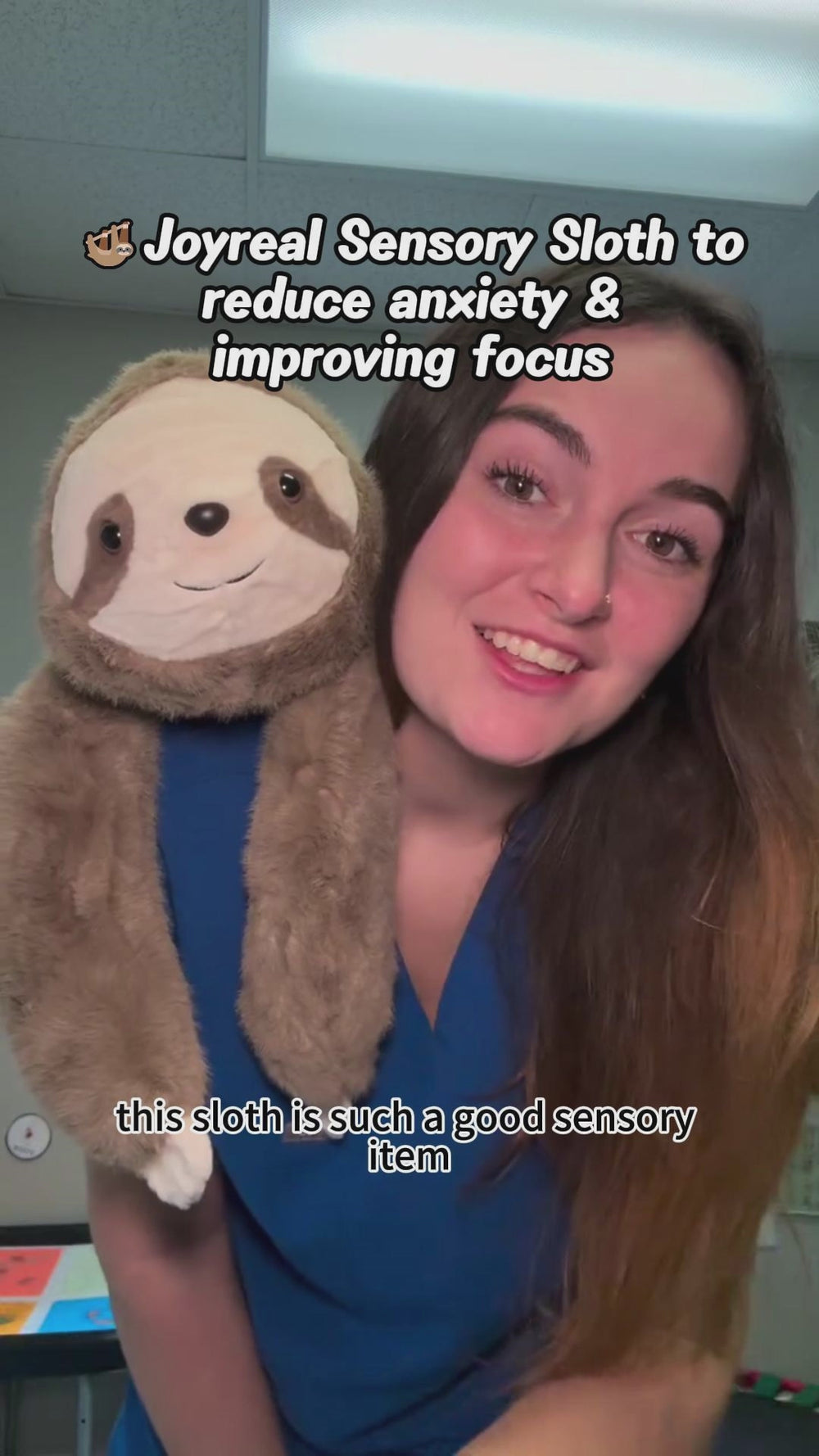
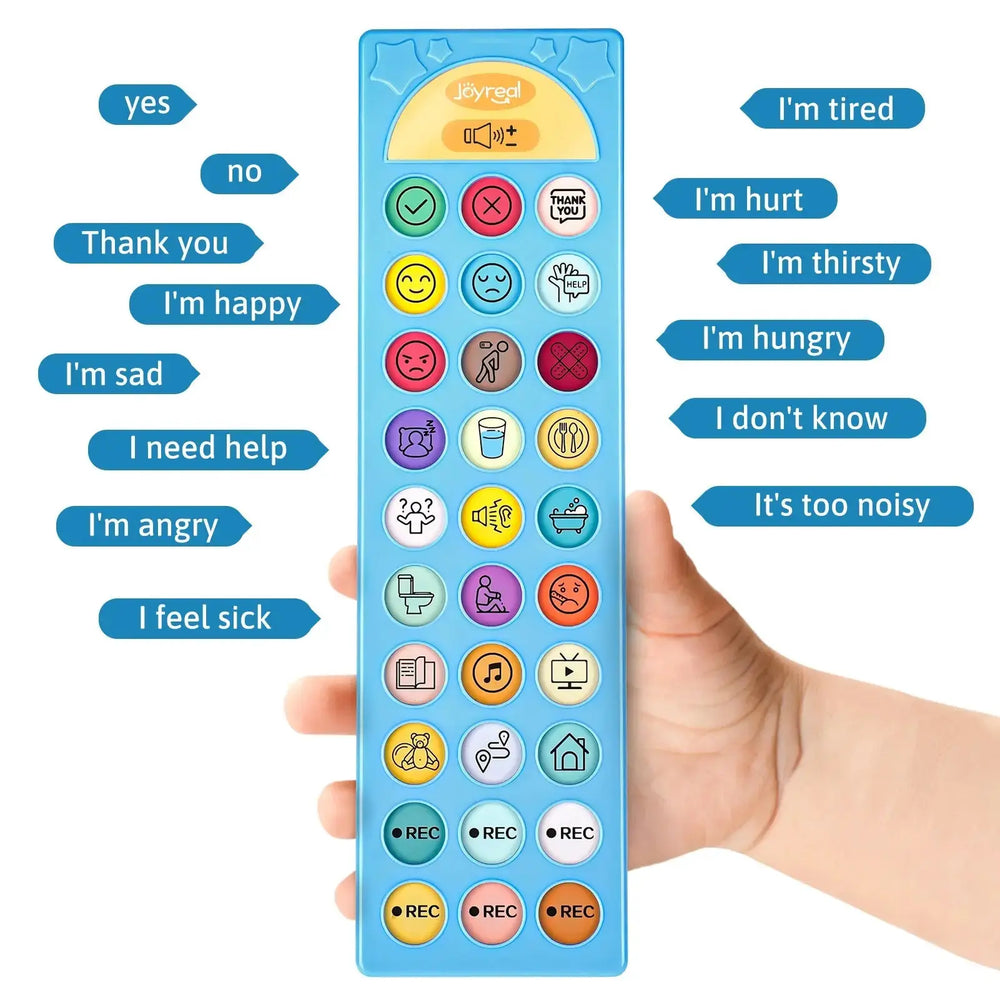
Every autistic child experiences sensory input differently. Some children enjoy movement, sound, texture, or vibration, while others may become uncomfortable with certain sensations. Choosing a sensory toy begins with observing what your child naturally seeks, avoids, or repeatedly returns to during everyday play.
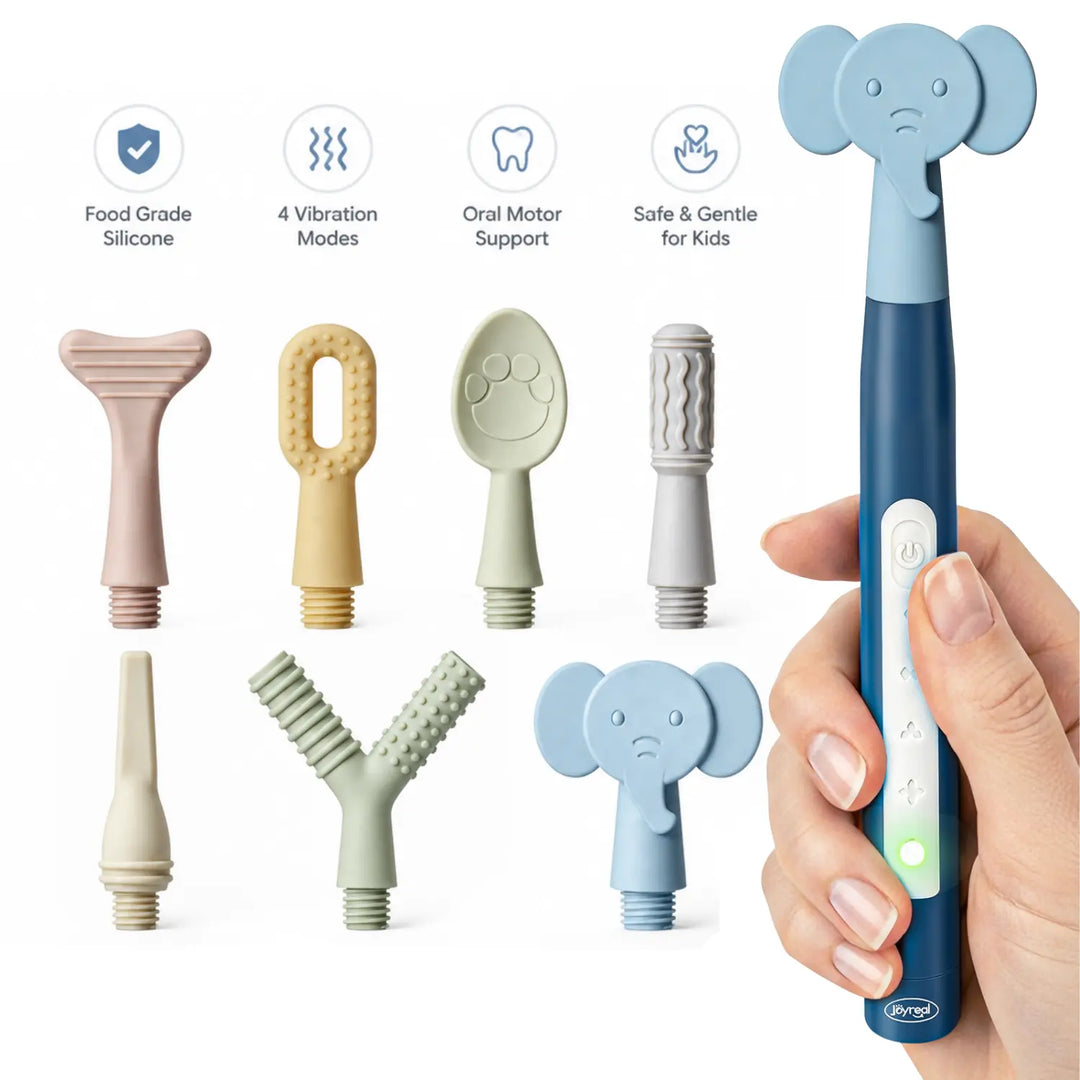
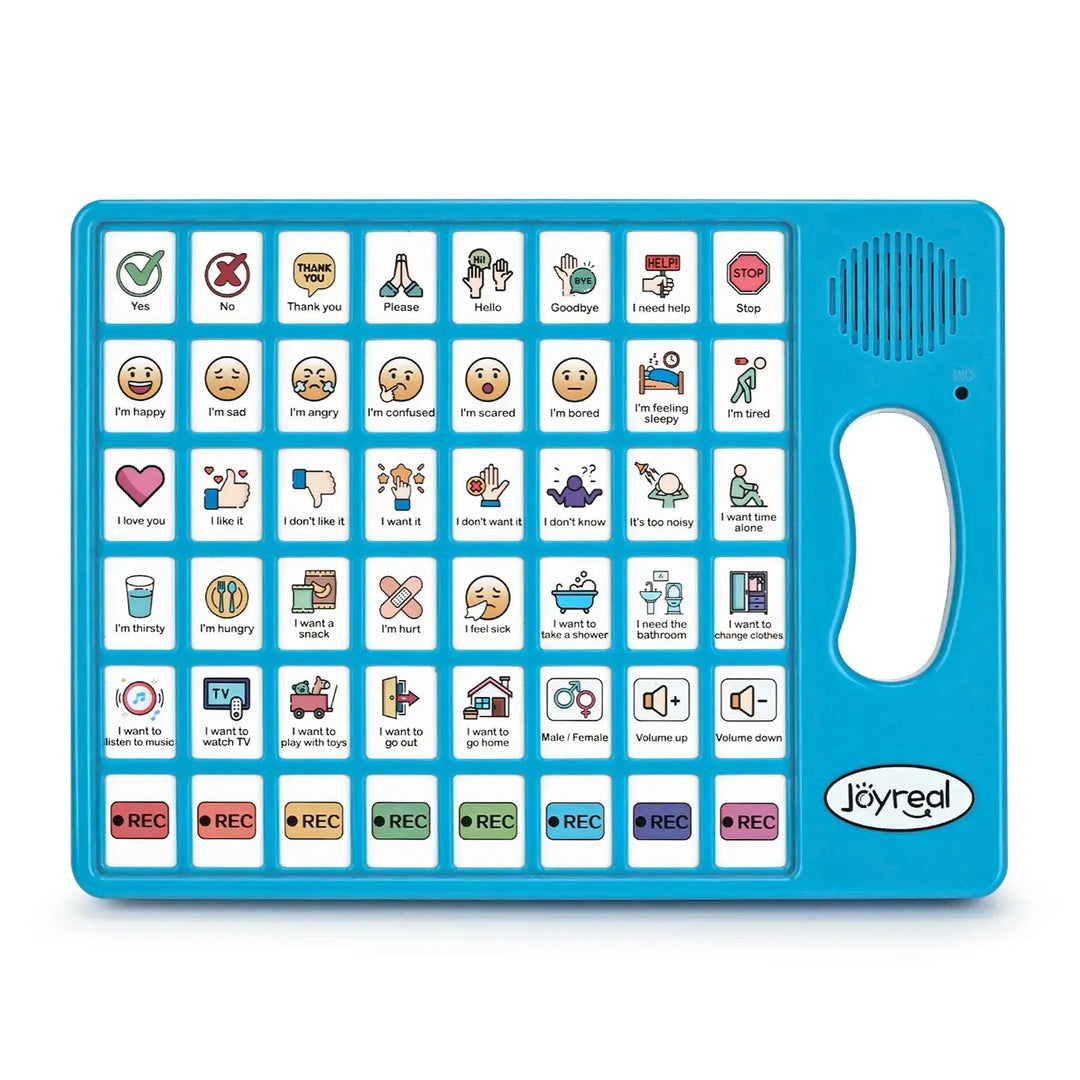
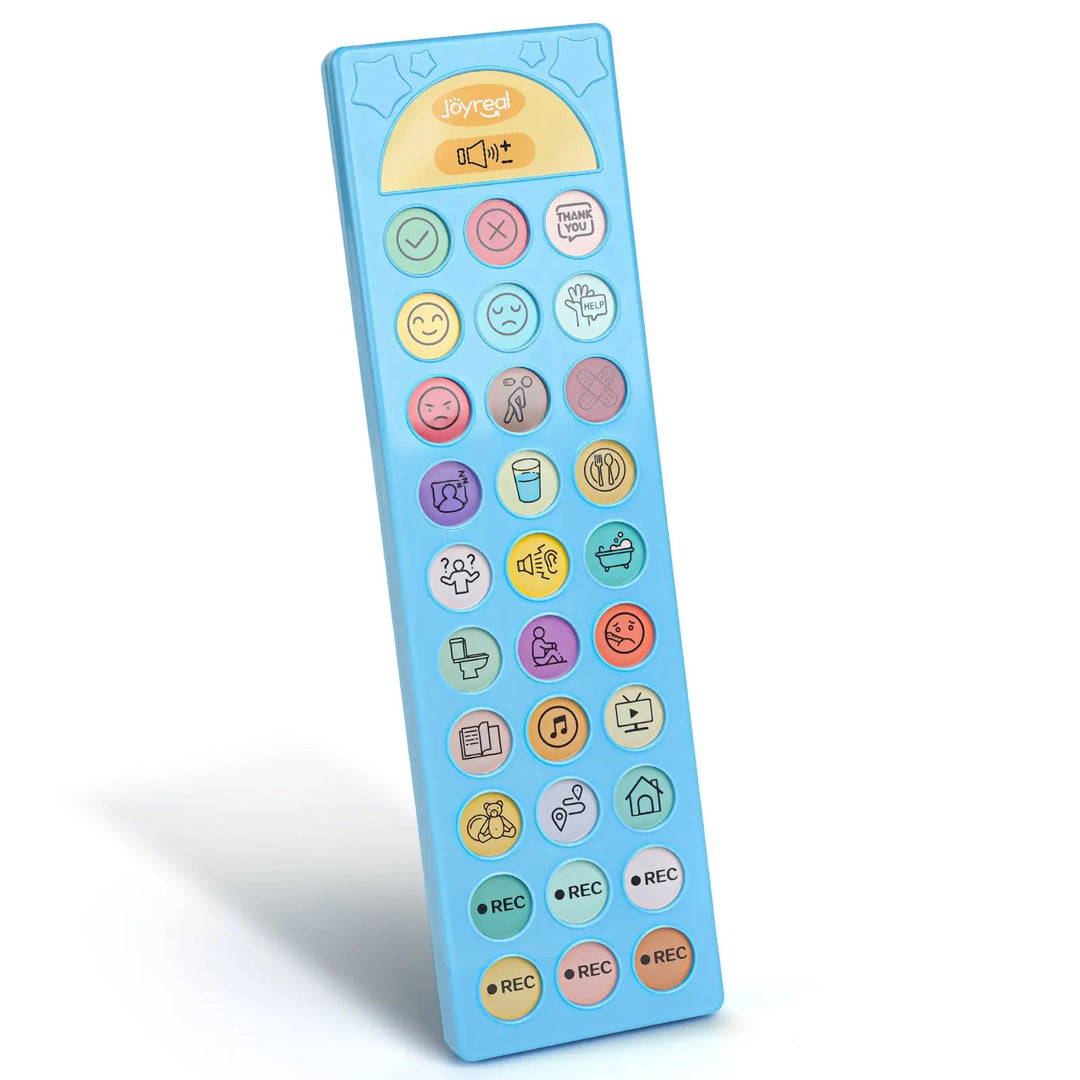
Children who like touching and squeezing may enjoy textured or tactile toys. Those who seek oral input may prefer purpose-designed chewing tools, while children drawn to buttons, switches, lights, or repeated actions may enjoy interactive sensory activities and busy boards.
There is no single sensory toy that works for every child. Consider your child’s interests, age, sensory preferences, and how they use the toy before introducing more options. Starting with familiar and enjoyable activities can make sensory play feel more comfortable and approachable.