
Talking Aid & Sensory Support Tools

Limited Time Offer Ends In 43:00:00
$10 OFF Spend $50+
$30 OFF Spend $100+
$50 OFF Spend $150+
Filter

    In This Collection, You'll Find:

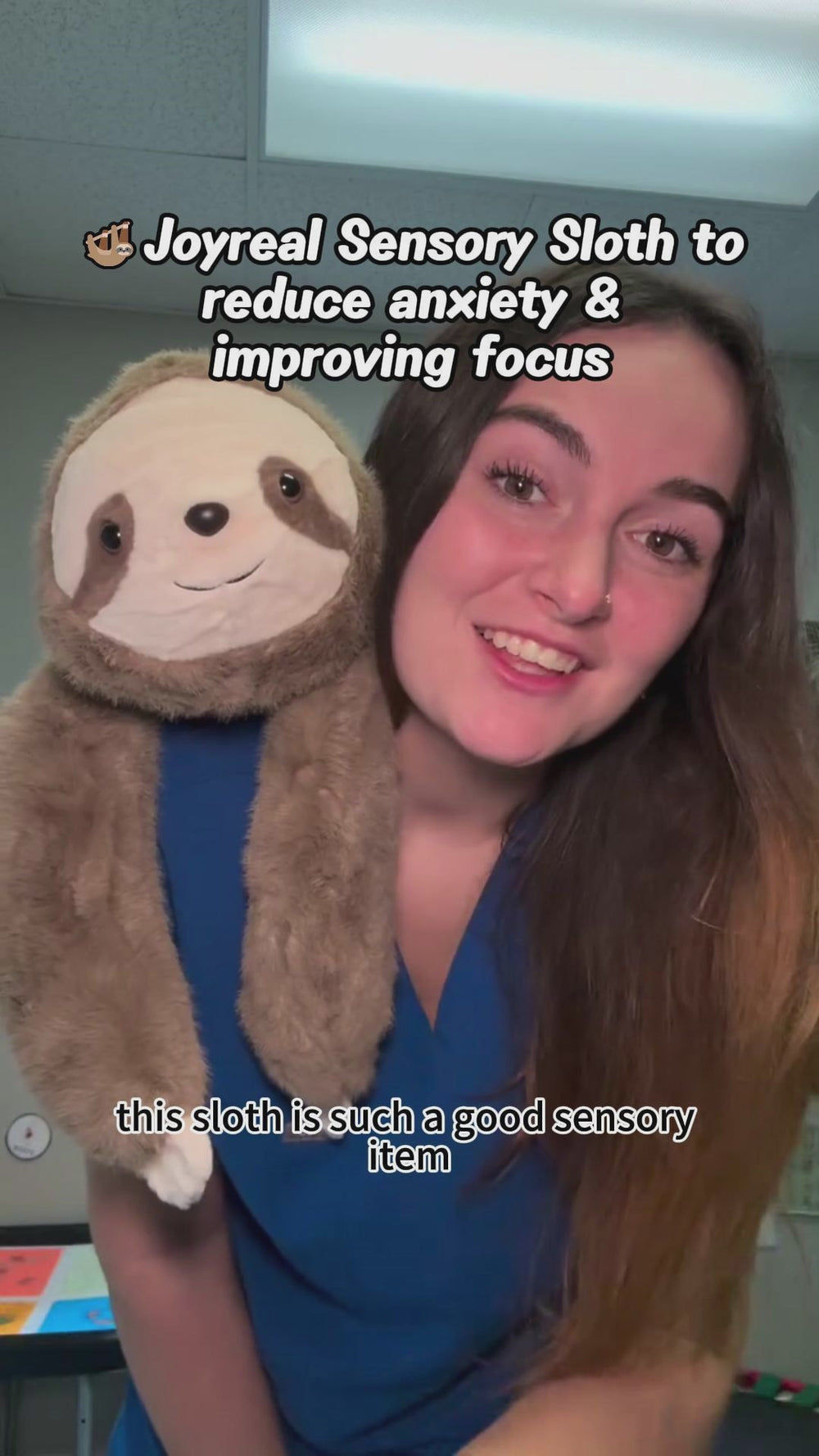
    • Sensory & Calming Aids: Tools like weighted stuffed animals and tactile toys to help soothe anxiety and improve focus.

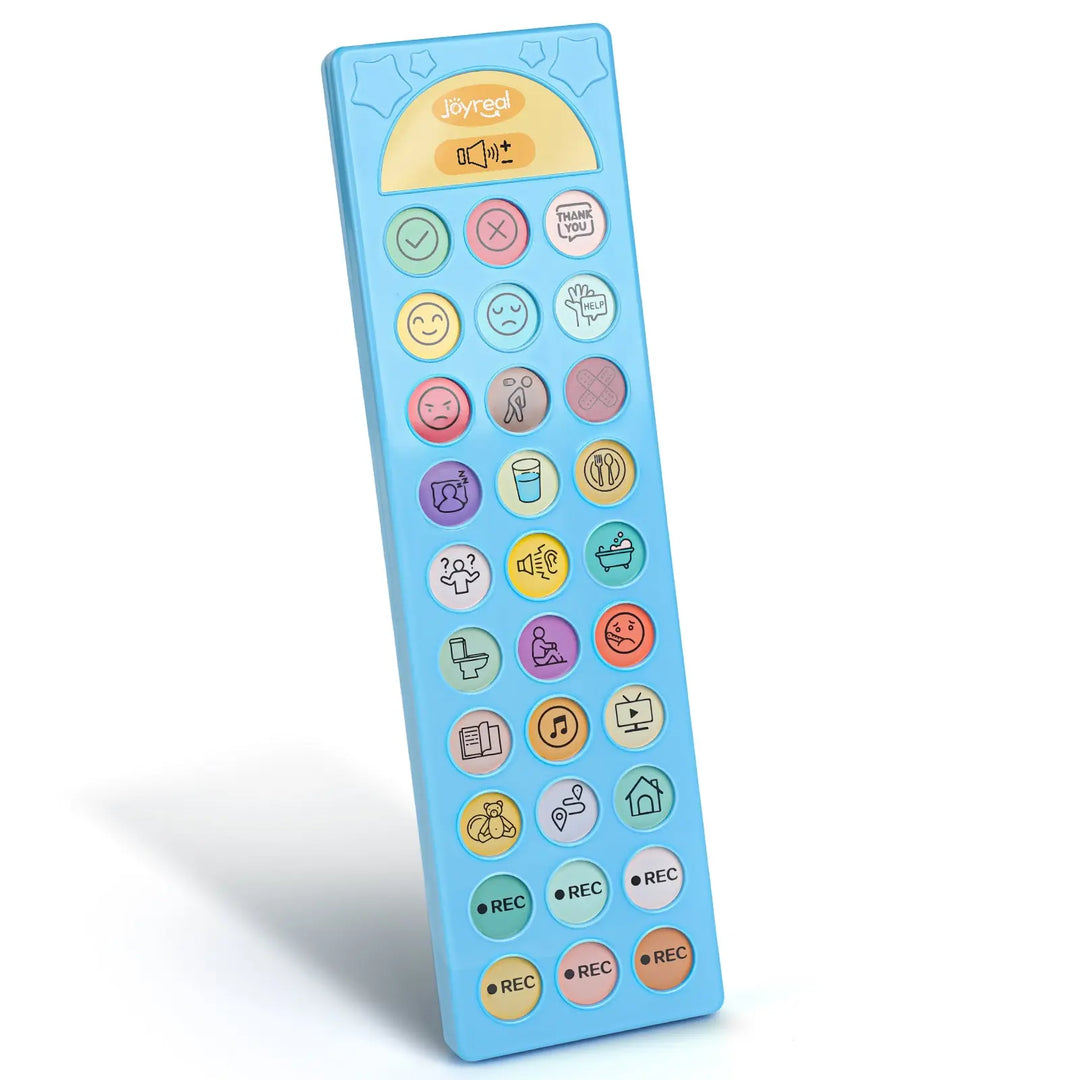
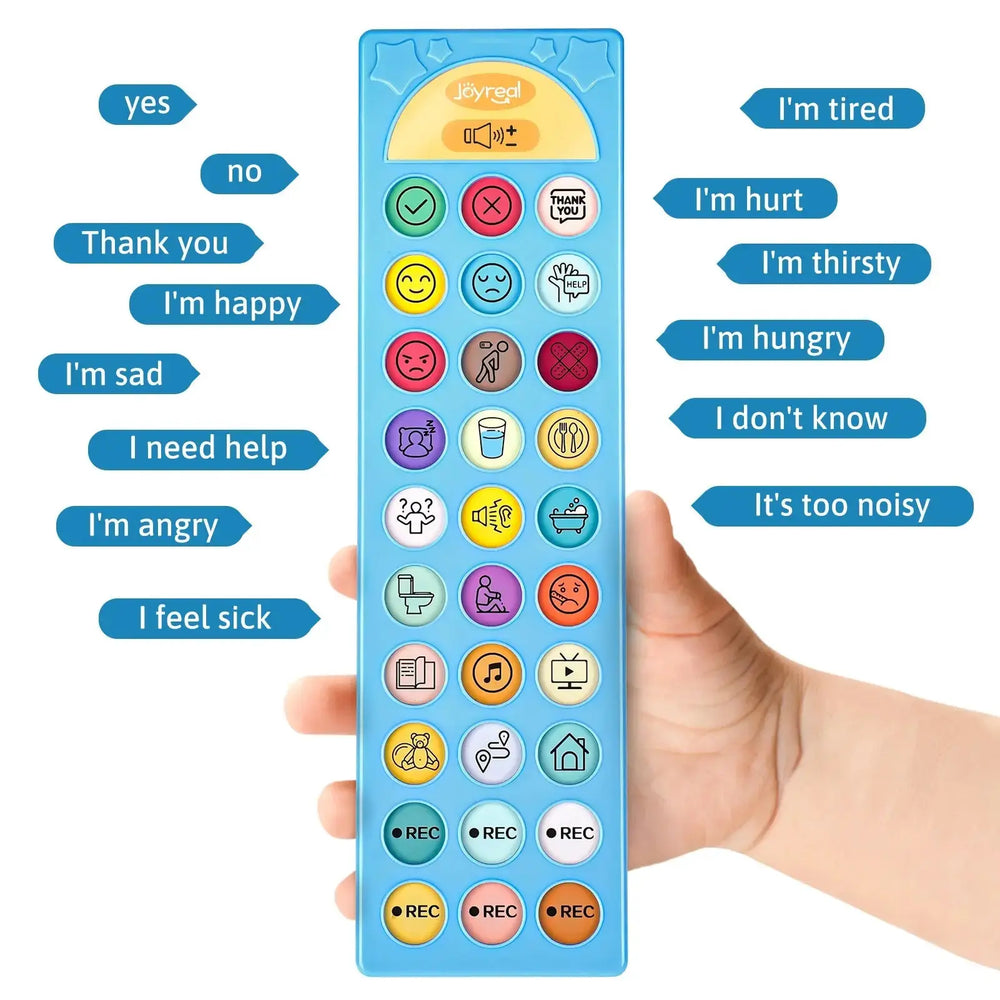
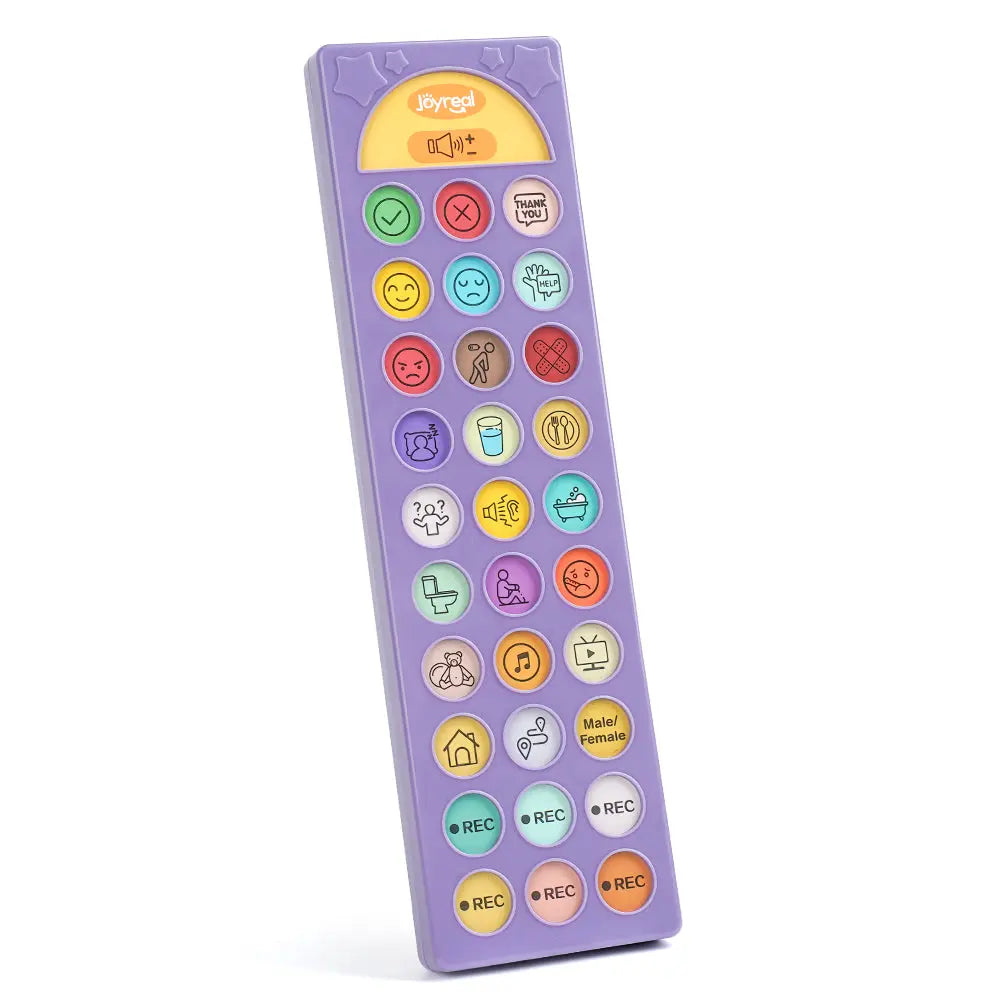
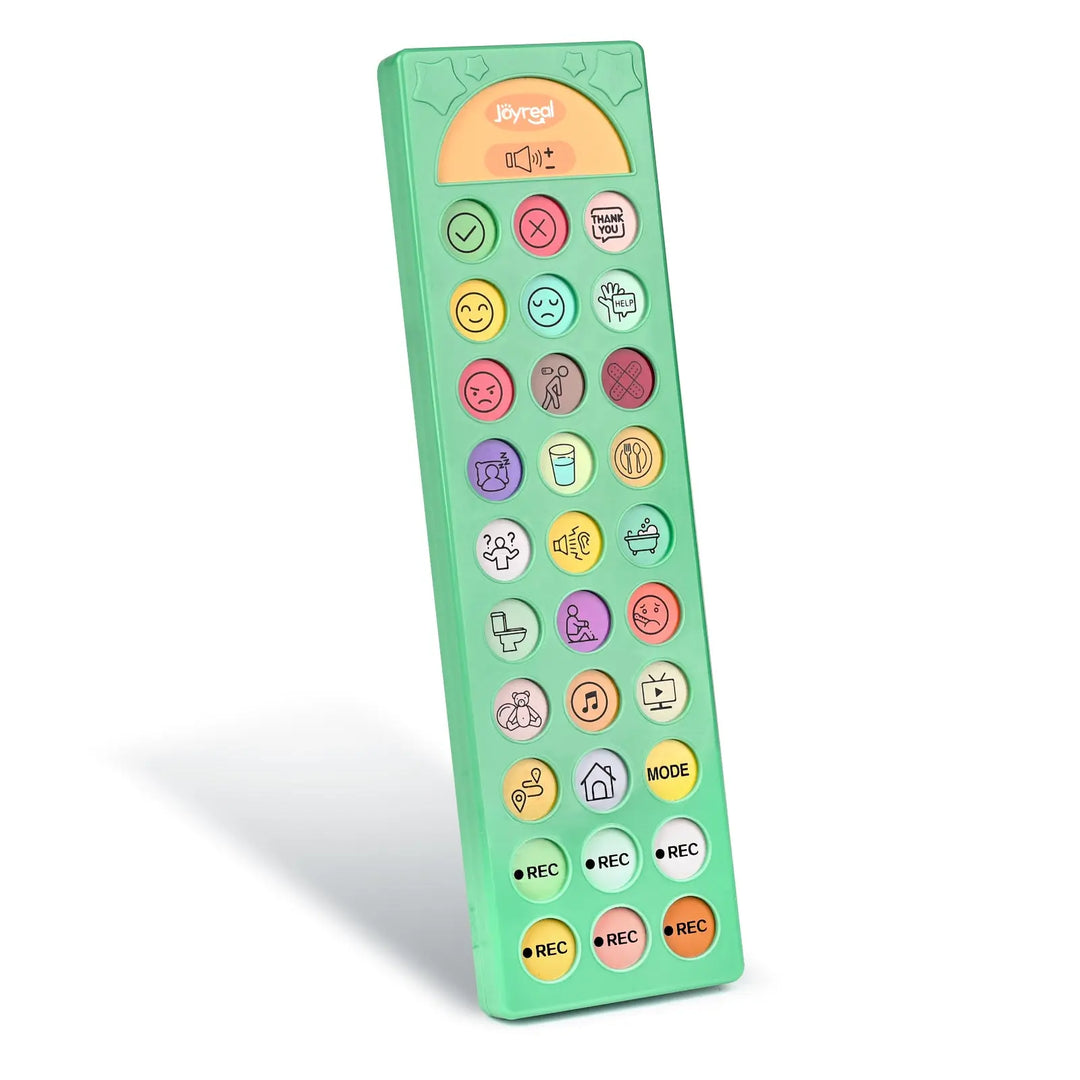
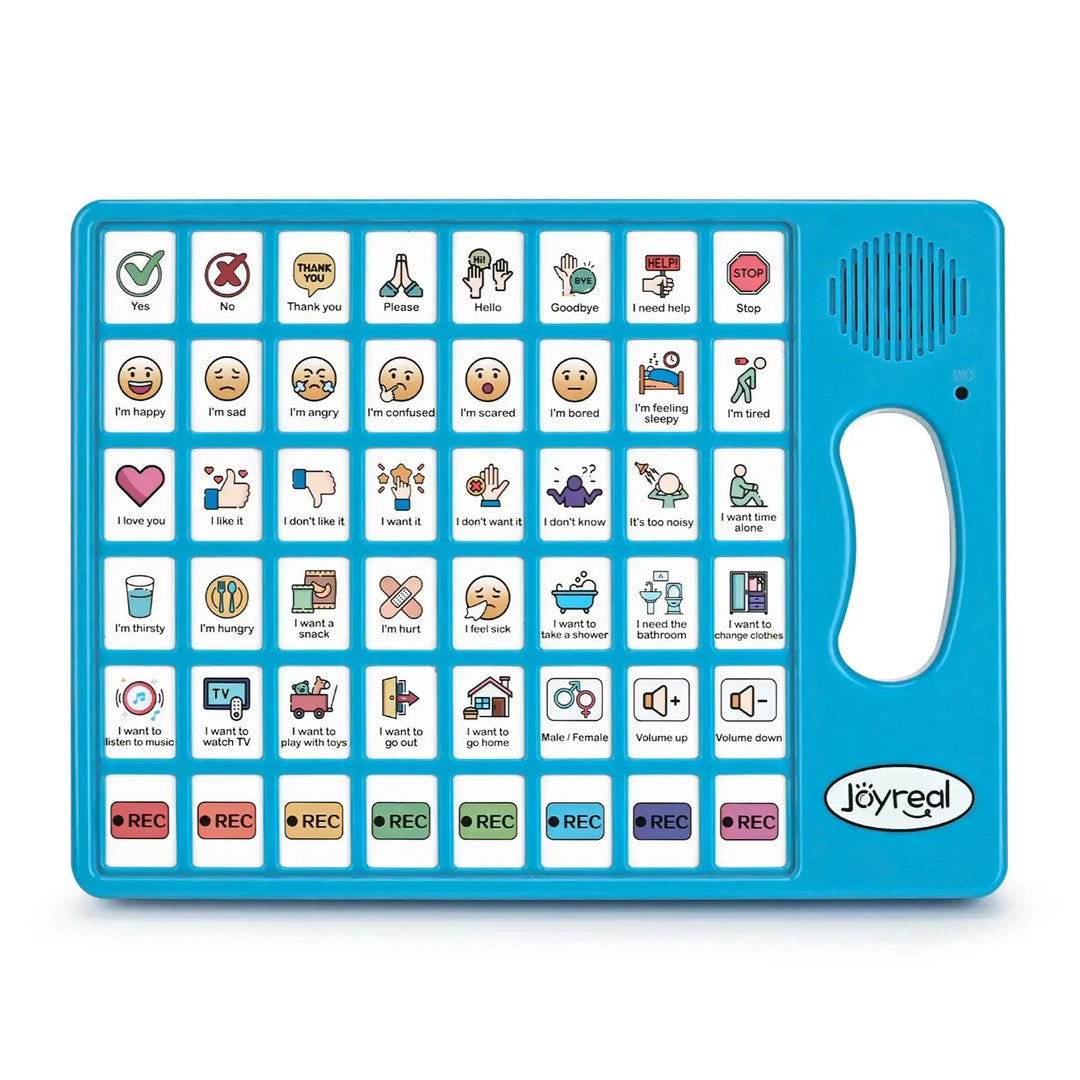
    • Communication Devices: User-friendly AAC tools to empower non-verbal or minimally verbal children to express their needs and thoughts.

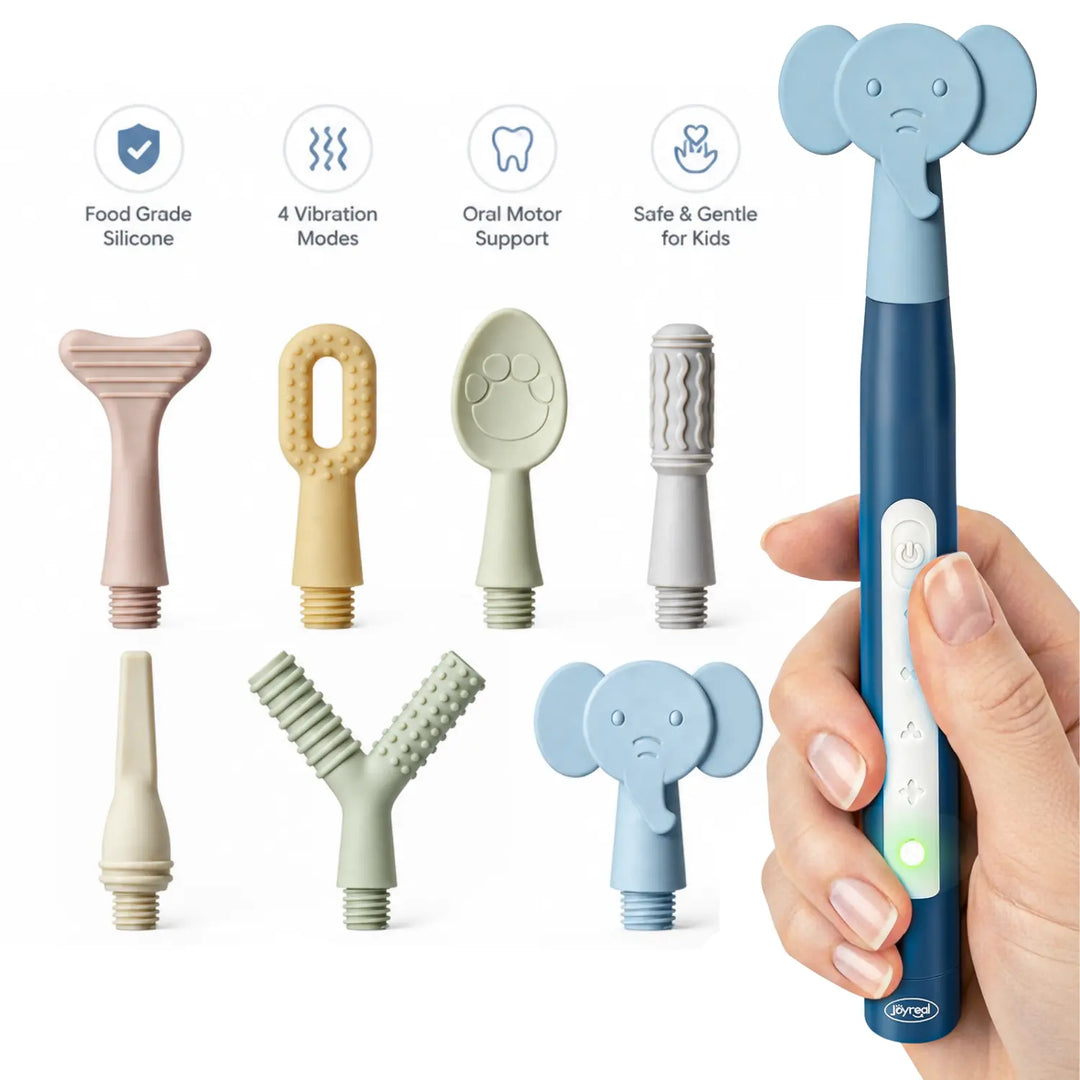
    • Oral Motor Chews: Safe, durable chewable toys designed to provide appropriate oral sensory input, support self-regulation, and strengthen jaw muscles.
    14 products

    Why Parents Choose Joyreal Toys

    ✅Open-ended play.Built to last
    Encourages creativity, exploration, and independent thinking. Not disposable toys.
    ✅High-quality wooden craftsmanship
    Durable, well-made, and designed for long-term use.
    ✅Safe for children
    Smooth edges and child-safe construction for everyday play.
    ✅Eco-friendly materials
    Made with responsibly sourced, non-toxic materials.
    — designed to be used again and again.
    ✅Affordable for families
    Thoughtfully priced to be accessible and practical.

    How to Choose Sensory Toys for Autism

    Every autistic child experiences sensory input differently. Some children enjoy movement, sound, texture, or vibration, while others may become uncomfortable with certain sensations. Choosing a sensory toy begins with observing what your child naturally seeks, avoids, or repeatedly returns to during everyday play.

    Children who like touching and squeezing may enjoy textured or tactile toys. Those who seek oral input may prefer purpose-designed chewing tools, while children drawn to buttons, switches, lights, or repeated actions may enjoy interactive sensory activities and busy boards.

    There is no single sensory toy that works for every child. Consider your child’s interests, age, sensory preferences, and how they use the toy before introducing more options. Starting with familiar and enjoyable activities can make sensory play feel more comfortable and approachable.

    Match the Right Tool to Your Child’s Needs

    After noticing what your child seeks, avoids, or repeats, choose a tool for the specific moment:

    • For communication: A talking aid can help children express needs, feelings, and choices when spoken words are difficult.
    • For chewing needs: Oral sensory tools provide a purpose-designed option for supervised chewing and exploration.
    • For hands-on sensory play: Busy boards and autism-friendly toys support touching, pressing, turning, sorting, and repeated actions.
    • For everyday routines: Different tools may be useful during meals, travel, transitions, quiet time, or independent play.

    Start with one familiar activity, observe your child’s response, and adjust based on their comfort and preferences.