
First AAC Device for Speech Delay: Where to Start with Phonics & Letter Learning
When a child struggles to speak, parents often feel overwhelmed and unsure where to begin. One of the most common and important questions is:
“What is the first AAC device for speech delay, and how do I choose the right one?”
AAC (Augmentative and Alternative Communication) is not a last resort. In fact, research and real-world experience show that early AAC use supports language development, reduces frustration, and often encourages speech rather than replacing it. This article will walk you through where to start, why phonics and letter learning matter, and how a phonics-based AAC board—like the Joyreal Phonics & Letter Learning AAC Device—can support long-term communication growth.
Why Phonics and Letter Learning Matter in AAC
Phonics for Nonverbal Autism
Traditional AAC systems focus heavily on picture symbols for requesting (“I want juice”). While useful, this approach alone can limit language growth. Phonics for nonverbal autism introduces children to speech sounds (phonemes), helping them recognize how language is built.
Even if a child cannot speak yet, hearing and selecting individual sounds builds phonological awareness—a critical skill for future speech and reading.
Letter Sounds for Speech Delay
Learning letter sounds for speech delay helps children connect:
- Sounds → letters
- Letters → words
- Words → meaning
This process supports not only communication but also early literacy, which is why many therapists now recommend early literacy AAC instead of symbol-only systems.
Child First Sounds Autism
Many autistic children show interest in sounds before words. A phonics-based AAC device supports child first sounds autism by allowing children to explore and repeat speech sounds safely and independently, without pressure to speak.
Choosing the Right First AAC Device
Symbol-Only AAC vs Phonics AAC Device
- Symbol-only AAC: Helpful for basic needs but limited for long-term language development
- Phonics AAC device: Supports communication and language structure, phonics, and literacy
If your goal is more than short-term requesting, a phonics-based system provides a stronger foundation.
Letter Learning AAC and Early Literacy AAC
A letter learning AAC device introduces letters, sounds, and simple word formation early. This makes AAC not just a communication tool, but a learning tool—bridging the gap between language and literacy.
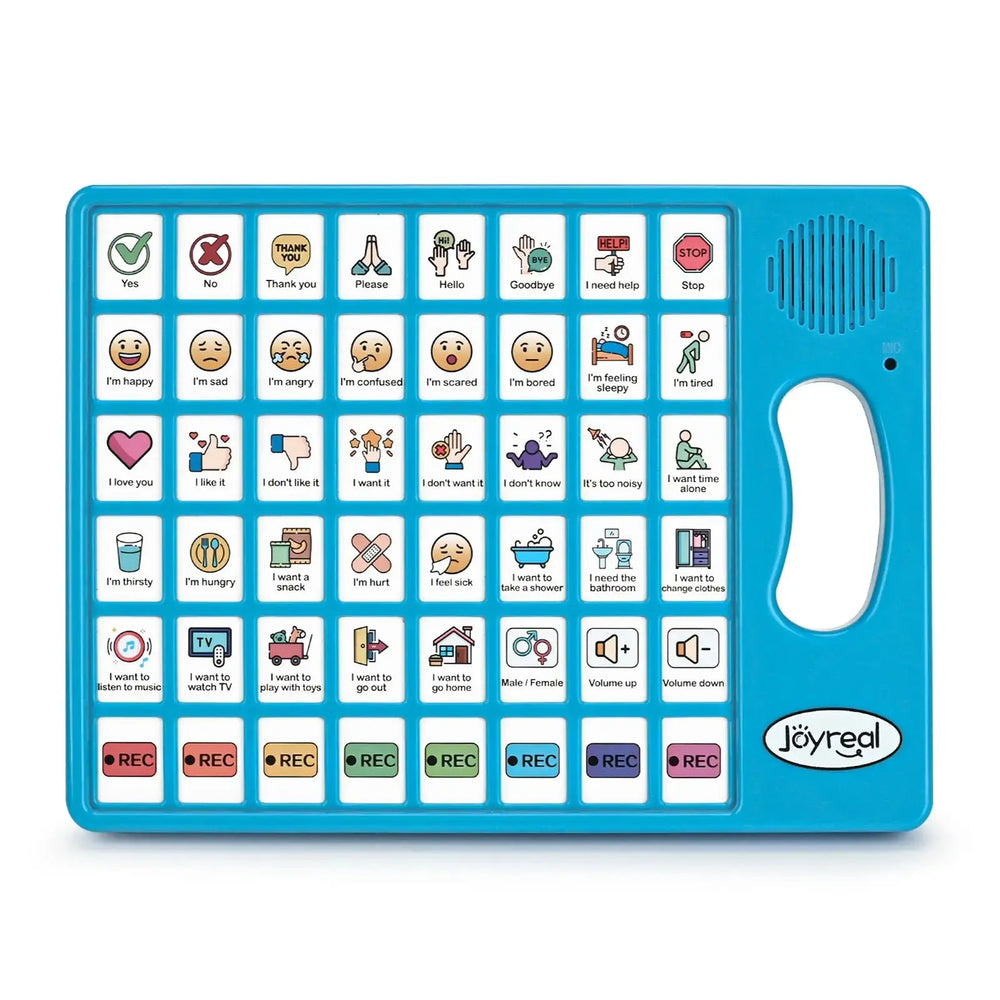
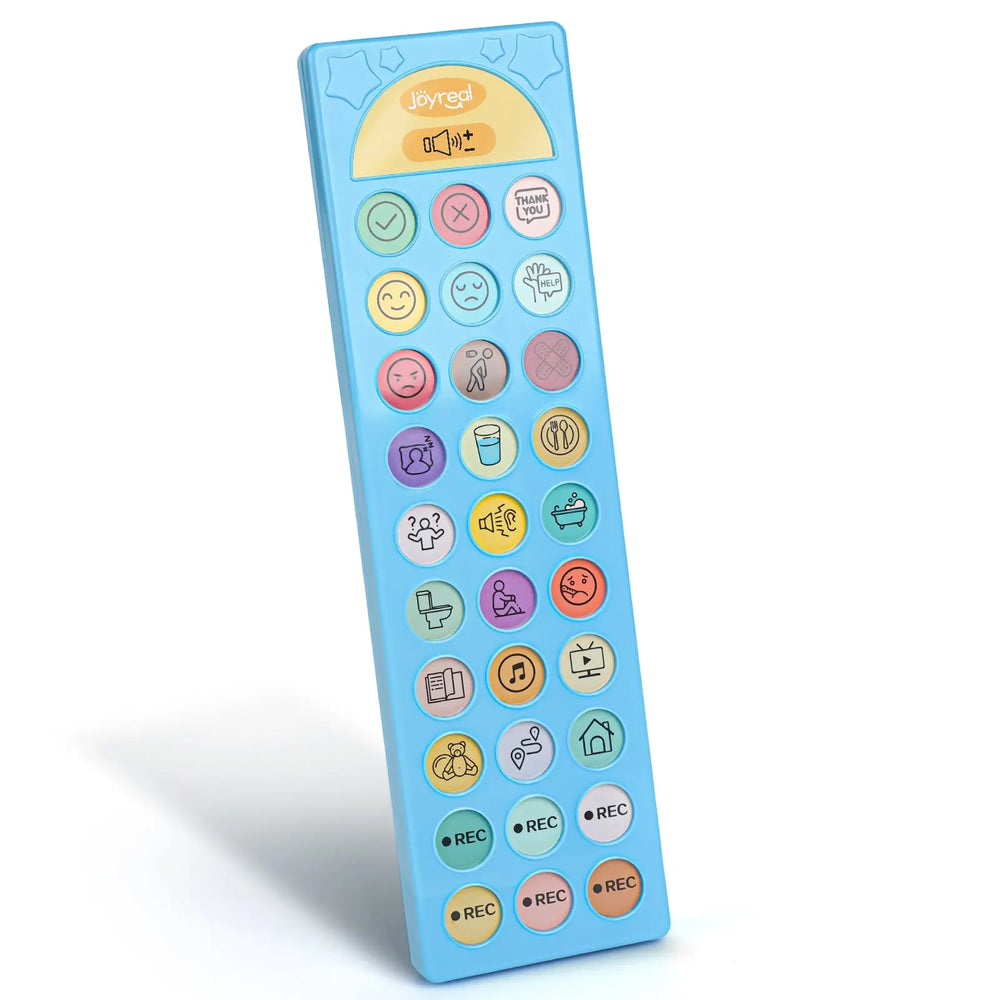
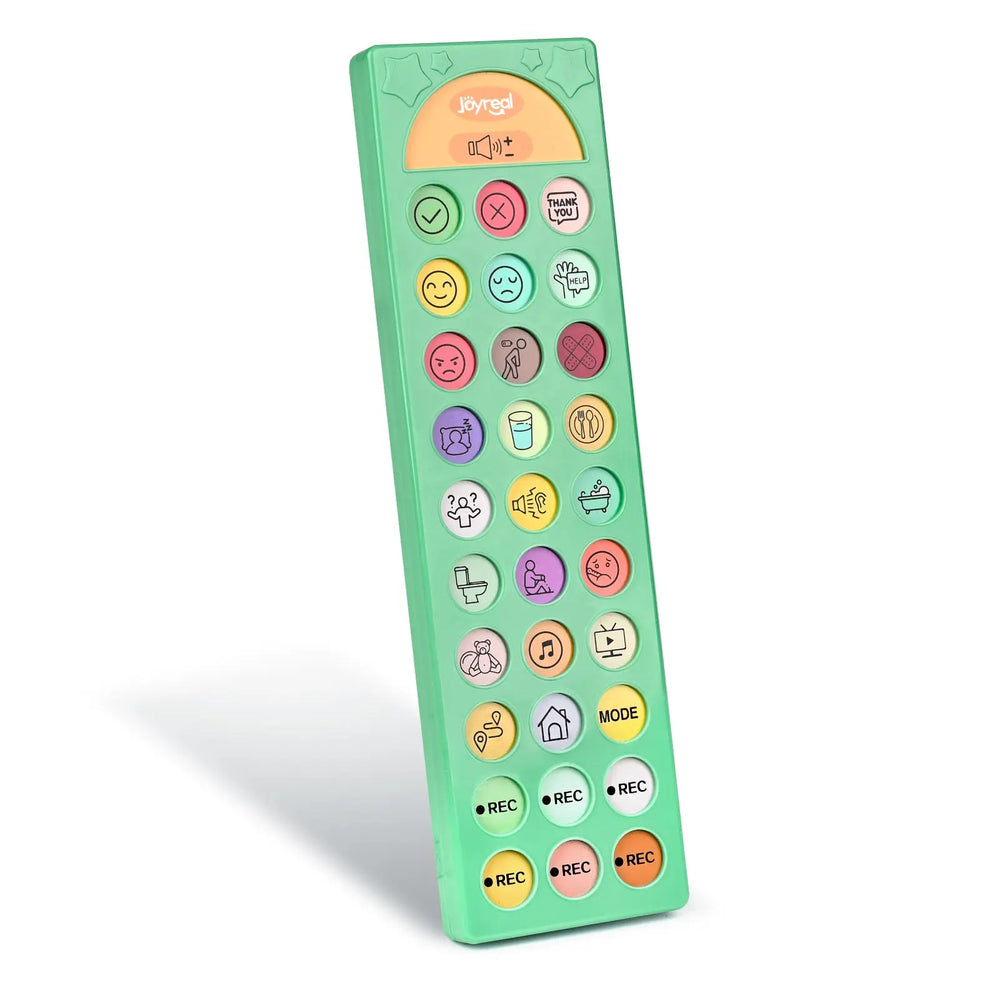
Recommended AAC Device: Joyreal Phonics & Letter Learning AAC Device
When parents and therapists look for a first AAC communication device that supports both communication and language development, the Joyreal Phonics & Letter Learning AAC Device stands out as a strong option—especially for children with speech delay or autism.

🧠 Phonics & Speech Sound Learning
Joyreal breaks speech into clear, repeatable sound units, helping children learn:
- Phonics and letter sounds
- Word formation
- Early sentence structure
This design is especially effective for letter sounds for speech delay and phonics for nonverbal autism, allowing children to progress step by step.
🔤 Build Words Before Requesting
Unlike many AAC aac communication device that focus only on requesting, Joyreal supports real language development:
- Practice individual sounds
- Combine sounds into syllables
- Learn common words
- Progress to short phrases
This “build words before requesting” approach supports nonverbal child learning letters and prepares children for future speech and reading.
🎛️ Programmable for Custom Practice
Joyreal includes 5 programmable buttons, allowing caregivers and therapists to:
- Record custom phonics sounds or target words
- Adjust volume for home, classroom, or therapy use
- Provide guided voice prompts
This flexibility makes it a practical letter learning AAC tool for individualized instruction.
👩🏫 Ideal for Therapy and Daily Learning
Joyreal works well in:
- Speech therapy sessions
- Homeschooling and early education
- Everyday home practice
It complements phonics cards, speech drills, and language toys, making it easy to integrate AAC into daily routines.
💙 Designed for Nonverbal Learners
Joyreal is designed specifically for:
- Autistic children
- Nonverbal or minimally verbal kids
- Early language learners
By reducing frustration and increasing confidence, it supports meaningful communication growth—true to the principle of AAC for speech delay.

How to Introduce AAC Successfully
Model AAC Use Daily
Children learn AAC by seeing adults use it. Model sounds, letters, and words during meals, playtime, and routines.
Make Learning Playful
Games, songs, and turn-taking activities help children stay engaged. This is especially effective for early literacy AAC and phonics learning.
Focus on Understanding First
Speech may come later. Prioritize comprehension, interaction, and enjoyment of communication.
Common Mistakes to Avoid
- Waiting too long to start AAC
- Focusing only on spoken output
- Using AAC only in therapy, not daily life
AAC works best when it becomes part of everyday communication.
Conclusion: Choosing the Right First AAC Device
Deciding First AAC Device for Speech Delay: Where to Start is about more than short-term communication. It’s about giving your child a foundation for language, literacy, and confidence.
By combining AAC for speech delay, phonics, letter learning, and early literacy, devices like the Joyreal Phonics & Letter Learning AAC Device offer a forward-looking approach—supporting children not just to communicate today, but to grow for years to come.
FAQs
- Will AAC stop my child from talking?
No. AAC often increases spoken attempts by reducing pressure and frustration.
- Can nonverbal autistic children learn phonics?
Yes. Many benefit greatly from phonics for nonverbal autism approaches.
- Is a phonics AAC device too advanced for toddlers?
Not when designed appropriately. Phonics AAC devices can be introduced gradually.
- Do I need a therapist to use AAC?
Professional guidance helps, but parents can successfully start AAC at home.
- Can AAC support reading later?
Absolutely. Early literacy AAC builds the foundation for reading and writing.
- Is Joyreal suitable as a first AAC device?
Yes. Its phonics-based, customizable design makes it a strong first choice.

Popular Guides for Parents
- DIY Busy Board: A Guide to Making Your Own
- Montessori Wooden Toys: Choose Baby Walking Toys to Boost Early Skills
- Montessori Busy Boards by Age: Safe, Skill-Building Toys for 10 Months to 4 Years
- How Do Different Colors Affect Sensory Overload in Autistic Children?
- Noah’s Ark Toy: Building Skills Through Play
- Best Busy Boards for 1 Year Old: A Parent’s Guide to Sensory Play
Recent Post

Wooden Musical Toys vs Electronic Music Toys: Which Is Better for Open-Ended Play?
For parents who want a calmer play environment, the choice between...

10 Simple Parent-Child Music Games Using a Toddler Drum Set
A toddler drum set can become much more than a noisy toy. With a fe...

Noah’s Ark Activities for Sunday School and Preschool
A Noah’s Ark toy can turn a familiar Bible story into a hands-on ac...

Noah’s Ark Toy Gift Guide: What Should Parents Check Before Buying?
A noah’s ark toy can be a thoughtful birthday, baptism, Christmas, ...

Can a Noah’s Ark Toy Be Used for Science and Nature Play?
Yes. A noah’s ark toy can be used as a starting point for simple sc...

How Can AAC Help a Child Communicate Pain, Illness, or Discomfort?
A child who cannot reliably use speech may still notice pain, illne...

How to Model AAC During Play Without Pressuring Your Child
For many children, play is one of the most comfortable places to pr...

How Can Parents Help a Child Use AAC at School and Home?
How Can Parents Help a Child Use AAC at School and Home? Children w...

AAC for Siblings and Playdates: Helping Children Join Social Play
Children do not need to use speech to take part in sibling play or ...

How to Teach Independent Play With a Busy Board Without Overhelping
Independent play does not usually begin with a parent stepping away...