
How Can You Support a Child with Autism at Home?
Autism Spectrum Disorder (ASD) affects children in many ways, from how they communicate to how they experience sensory input. Understanding your child’s individual needs is the first step to providing meaningful support at home.
Early Signs of Autism
- Delayed speech or limited verbal communication
- Repetitive behaviors or strict routines
- Sensory sensitivities (sound, light, texture)
- Difficulty with social interactions
Recognizing these early signs helps parents tailor strategies to their child’s strengths and challenges.
Nonverbal vs. Verbal Communication
Not all children with autism speak verbally. Many rely on gestures, facial expressions, and behaviors to communicate. Nonverbal does not mean non-communicative—every child has ways to express needs and emotions.

Daily Strategies to Support Your Child
Creating a structured and supportive home environment can improve both behavior and communication.
Structured Routines
Children with autism thrive on predictability. Maintain consistent schedules for meals, playtime, learning, and bedtime to reduce stress and anxiety.
Sensory and Play Activities
Engage your child in activities that stimulate multiple senses:
- Tactile play (water, sand, clay)
- Music and rhythm games
- Visual puzzles and shape sorters
These activities support cognitive development, fine motor skills, and emotional regulation.
Breaking Language Barriers with Communication Tools
One of the biggest challenges for parents is helping nonverbal children communicate. Fortunately, simple tools can make a huge difference.
Common Tools
- Picture-based systems (PECS)
- Communication boards
- Speech-generating devices
- Mobile communication apps
Important: Using these tools does not hinder speech development; they often support and accelerate language learning.
Why Communication Tools Matter
- Reduces frustration and meltdowns
- Encourages independence
- Improves social interaction
- Builds confidence
Imagine your child saying “I’m hungry” or “I want mom” for the first time—these small successes are life-changing.
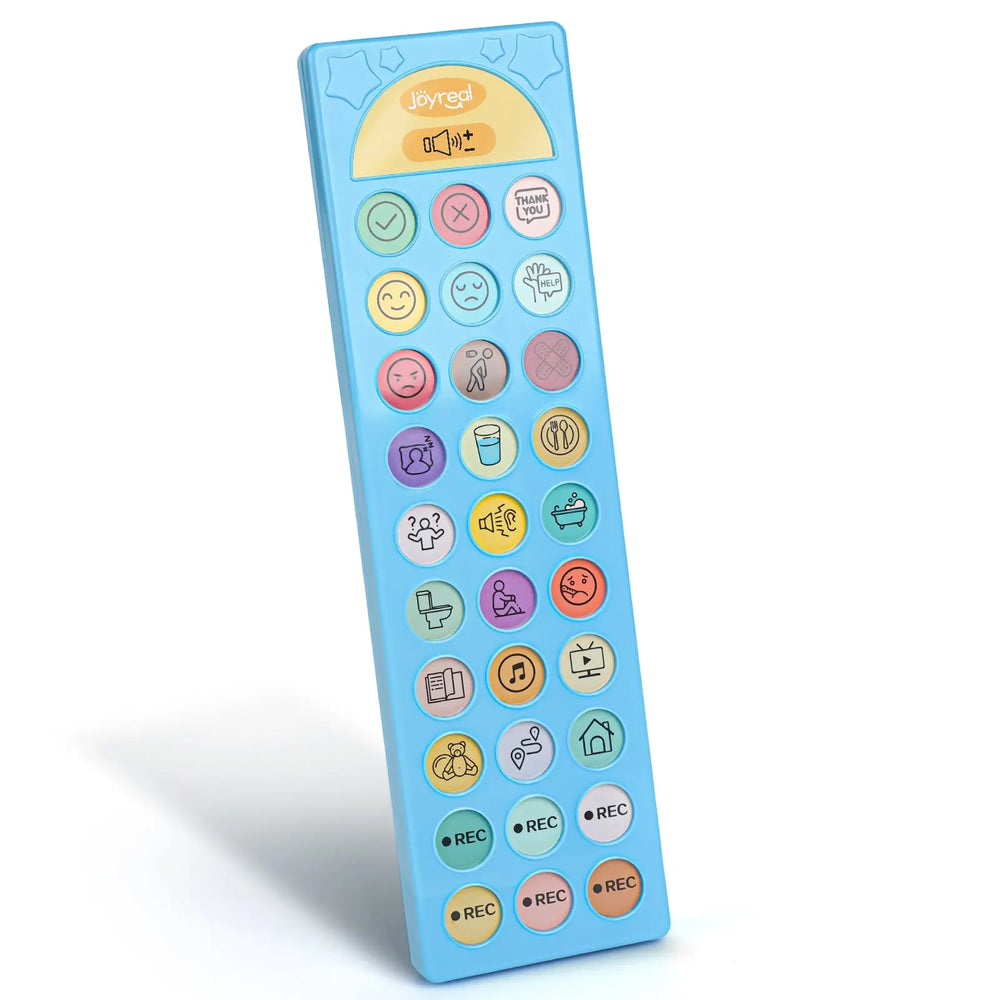
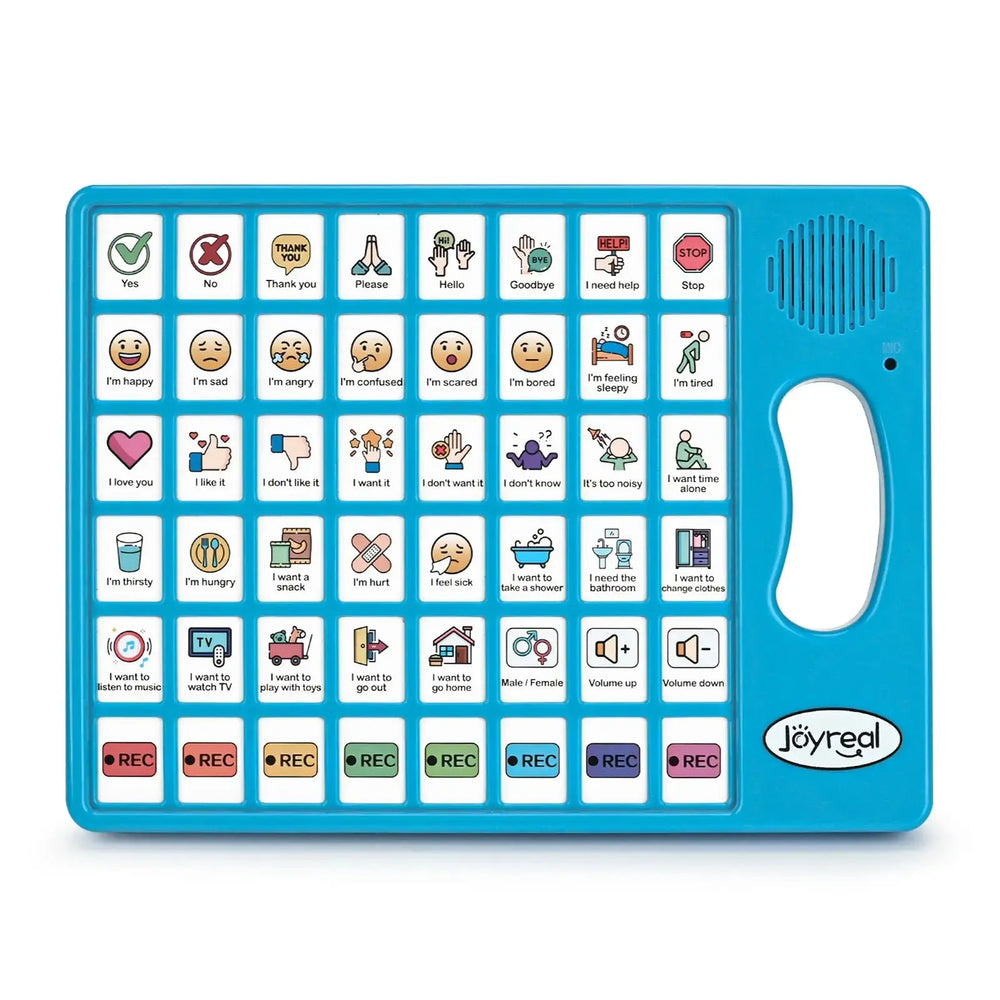
Affordable Solutions: Joyreal AAC
Many professional AAC devices are expensive, but affordable, practical solutions exist.
Joyreal AAC Talking Aid Toffers:
- ✅ Easy setup for home and educational use
- ✅ Cost-effective design for budget-conscious families
- ✅ Durable and child-friendly
- ✅ Supports early communication development
Whether for early intervention or daily use, Joyreal AAC helps children break language barriers and express themselves without the stress of costly devices.

Supporting Communication at Home
Even without professional devices, parents can foster communication daily.
Simple Strategies
- Use visual supports like pictures or gestures
- Give your child time to respond
- Model communication by demonstrating how to use tools
- Celebrate every attempt, no matter how small
- Keep routines consistent to build predictability
Tip: Small, repeated steps often lead to big breakthroughs in communication and confidence.
Emotional and Social Support
Supporting a child’s emotional and social growth is as important as communication skills.
- Manage frustration with calm responses
- Encourage interactions with siblings or peers
- Use positive reinHow Do You Help a Nonverbal Child with Autism Communicate?forcement for social behaviors
- Provide safe spaces for self-regulation
- Celebrate Milestones and Awareness Days
Conclusion: Every Voice Deserves to Be Heard
A child who cannot speak still has thoughts, feelings, and dreams. With understanding, structured support, and practical tools like Joyreal AAC, parents can help their child communicate, reduce frustration, and build confidence.
- Remember: Every voice deserves to be heard, and with the right support at home, your child can thrive.


Popular Guides for Parents
- DIY Busy Board: A Guide to Making Your Own
- Montessori Wooden Toys: Choose Baby Walking Toys to Boost Early Skills
- Montessori Busy Boards by Age: Safe, Skill-Building Toys for 10 Months to 4 Years
- How Do Different Colors Affect Sensory Overload in Autistic Children?
- Noah’s Ark Toy: Building Skills Through Play
- Best Busy Boards for 1 Year Old: A Parent’s Guide to Sensory Play
Recent Post

Wooden Musical Toys vs Electronic Music Toys: Which Is Better for Open-Ended Play?
For parents who want a calmer play environment, the choice between...

10 Simple Parent-Child Music Games Using a Toddler Drum Set
A toddler drum set can become much more than a noisy toy. With a fe...

Noah’s Ark Activities for Sunday School and Preschool
A Noah’s Ark toy can turn a familiar Bible story into a hands-on ac...

Noah’s Ark Toy Gift Guide: What Should Parents Check Before Buying?
A noah’s ark toy can be a thoughtful birthday, baptism, Christmas, ...

Can a Noah’s Ark Toy Be Used for Science and Nature Play?
Yes. A noah’s ark toy can be used as a starting point for simple sc...

How Can AAC Help a Child Communicate Pain, Illness, or Discomfort?
A child who cannot reliably use speech may still notice pain, illne...

How to Model AAC During Play Without Pressuring Your Child
For many children, play is one of the most comfortable places to pr...

How Can Parents Help a Child Use AAC at School and Home?
How Can Parents Help a Child Use AAC at School and Home? Children w...

AAC for Siblings and Playdates: Helping Children Join Social Play
Children do not need to use speech to take part in sibling play or ...

How to Teach Independent Play With a Busy Board Without Overhelping
Independent play does not usually begin with a parent stepping away...