
This Valentine’s Day, Give Them Your Time
Why Playtime Together Is the Most Meaningful Gift for Growing Children
For kids, the most meaningful gift isn’t something wrapped —
it’s time, attention, and shared moments of play.
From a baby’s first steps to a preschooler’s creative expression, playtime together shapes how children feel about themselves, their relationships, and the world around them. And while toys can support these moments, it’s the presence behind the play that truly matters.
Ages 0–18 Months: Presence Builds Safety
In the earliest months, children aren’t learning through instructions —
they’re learning through presence.
Before words or rules exist, babies rely on eye contact, tone of voice, and physical closeness to understand whether the world feels safe. Early movements — rolling, standing, and eventually walking — are not just physical milestones, but emotional ones.
Babies often pause, look back, and seek reassurance before taking another step. When parents walk alongside them, offering calm encouragement rather than pressure, children begin to explore with confidence.
Many families find that gentle support tools, such as baby walkers, can become part of this shared experience. Not to rush development, but to allow parents to stay close, engaged, and present during those first steps. Thoughtfully designed walkers from brands like Joyreal Toys are often used in this way — as a bridge between independence and connection.
At this age, love looks quiet.
It looks like being there, step by step.

Ages 1–3: Play Is How Language and Confidence Grow
Between ages one and three, children have a lot to say — even before they can say it.
Toddlers communicate through sounds, gestures, expressions, and actions. They point, reach, repeat, and experiment, trying to make sense of how their voice fits into the world. When adults slow down and join them in play, these everyday moments become powerful opportunities for connection.
Playtime together during this stage supports:
- Early language and communication development
- Confidence in expressing needs and choices
- Emotional security through responsive interaction
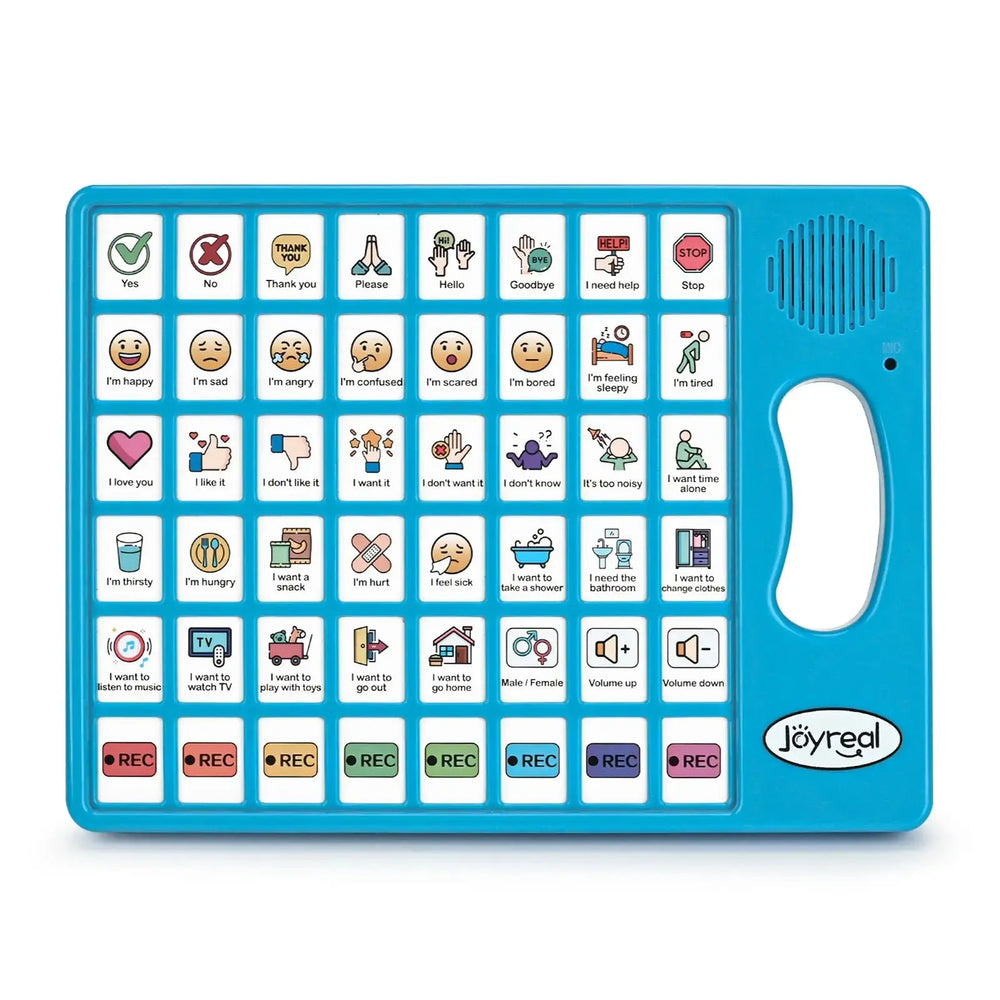
Some families choose to introduce simple speaking or visual communication tools during play, especially when children need extra support expressing themselves. Tools like Joyreal AAC are often used not as replacements for interaction, but as shared tools — something parents and children explore together, side by side.
What matters most isn’t the device itself.
It’s the moment it creates: sitting together, paying attention, and showing your child that their attempts to communicate are heard and valued.

Ages 3–6: Interests Begin to Take Shape
Between ages three and six, children begin to show clearer preferences. They gravitate toward certain activities, repeat what they enjoy, and slowly build a sense of “this is something I like.” This stage is less about social interaction and more about discovering personal interests.
Play becomes a way for children to explore focus, curiosity, and self-motivation. When an activity feels enjoyable and low-pressure, children are more likely to return to it — again and again — turning casual play into a lasting interest.
Music play is a common entry point during this stage. It allows children to experiment with sound, rhythm, and patterns without rules or expectations. Pressing keys, repeating favorite tones, or creating their own simple sequences helps children experience music as exploration, not instruction.
Many parents introduce beginner-friendly music toys at this age as a gentle way to support interest-building. Something accessible, like the Joyreal Mini Piano Keyboard, gives children the freedom to explore independently while keeping the experience playful rather than performance-driven.
At this stage, interest isn’t taught or pushed.
It’s discovered — through repeated, enjoyable moments of play.

Every Age, Every Child: Love Looks Like Showing Up
Every child develops at their own pace.
Some are talkative, others quiet. Some love movement, others seek calm.
But across all differences, one truth remains the same:
- Children feel loved when adults are present, responsive, and engaged.
Playtime together doesn’t need to be long or elaborate.
A few intentional minutes — sitting on the floor, walking beside them, listening closely — can leave a lasting impression.
A Different Kind of Valentine’s Gift
This Valentine’s Day, love doesn’t have to come with bows or candy.
Sometimes, the most meaningful gift is choosing to pause, get down on their level, and share a moment of play.
Because long after toys are put away,
children remember how it felt to have someone there.
And in the end,
the best gift is playtime together.


Popular Guides for Parents
- DIY Busy Board: A Guide to Making Your Own
- Montessori Wooden Toys: Choose Baby Walking Toys to Boost Early Skills
- Montessori Busy Boards by Age: Safe, Skill-Building Toys for 10 Months to 4 Years
- How Do Different Colors Affect Sensory Overload in Autistic Children?
- Noah’s Ark Toy: Building Skills Through Play
- Best Busy Boards for 1 Year Old: A Parent’s Guide to Sensory Play
Recent Post

Wooden Musical Toys vs Electronic Music Toys: Which Is Better for Open-Ended Play?
For parents who want a calmer play environment, the choice between...

10 Simple Parent-Child Music Games Using a Toddler Drum Set
A toddler drum set can become much more than a noisy toy. With a fe...

Noah’s Ark Activities for Sunday School and Preschool
A Noah’s Ark toy can turn a familiar Bible story into a hands-on ac...

Noah’s Ark Toy Gift Guide: What Should Parents Check Before Buying?
A noah’s ark toy can be a thoughtful birthday, baptism, Christmas, ...

Can a Noah’s Ark Toy Be Used for Science and Nature Play?
Yes. A noah’s ark toy can be used as a starting point for simple sc...

How Can AAC Help a Child Communicate Pain, Illness, or Discomfort?
A child who cannot reliably use speech may still notice pain, illne...

How to Model AAC During Play Without Pressuring Your Child
For many children, play is one of the most comfortable places to pr...

How Can Parents Help a Child Use AAC at School and Home?
How Can Parents Help a Child Use AAC at School and Home? Children w...

AAC for Siblings and Playdates: Helping Children Join Social Play
Children do not need to use speech to take part in sibling play or ...

How to Teach Independent Play With a Busy Board Without Overhelping
Independent play does not usually begin with a parent stepping away...