


10 Heartfelt Ways to Communicate with Your Autistic Child
Understanding Autism and Communication Challenges
Communicating with an autistic child requires more than words — it’s about finding the right tools and understanding their unique world. Many children on the autism spectrum face difficulties with speech or language processing, making traditional conversation hard.
That’s where assistive communication tools, known as AAC communication devices, come in. These devices empower children to express thoughts, emotions, and needs clearly — even if they can’t do so verbally.

Why Choosing the Right AAC Device Matters
Selecting an effective AAC device for autism can change the way a child interacts with family, teachers, and peers. A well-designed device bridges the communication gap, helping autistic children build confidence and trust through expression.
However, one common concern parents face is AAC devices cost — high-end talking aids can be prohibitively expensive. Thankfully, affordable and efficient options like Joyreal Talking Aid are making communication accessible to all families.
Introducing Joyreal Talking Aid — An Affordable AAC Communication Device
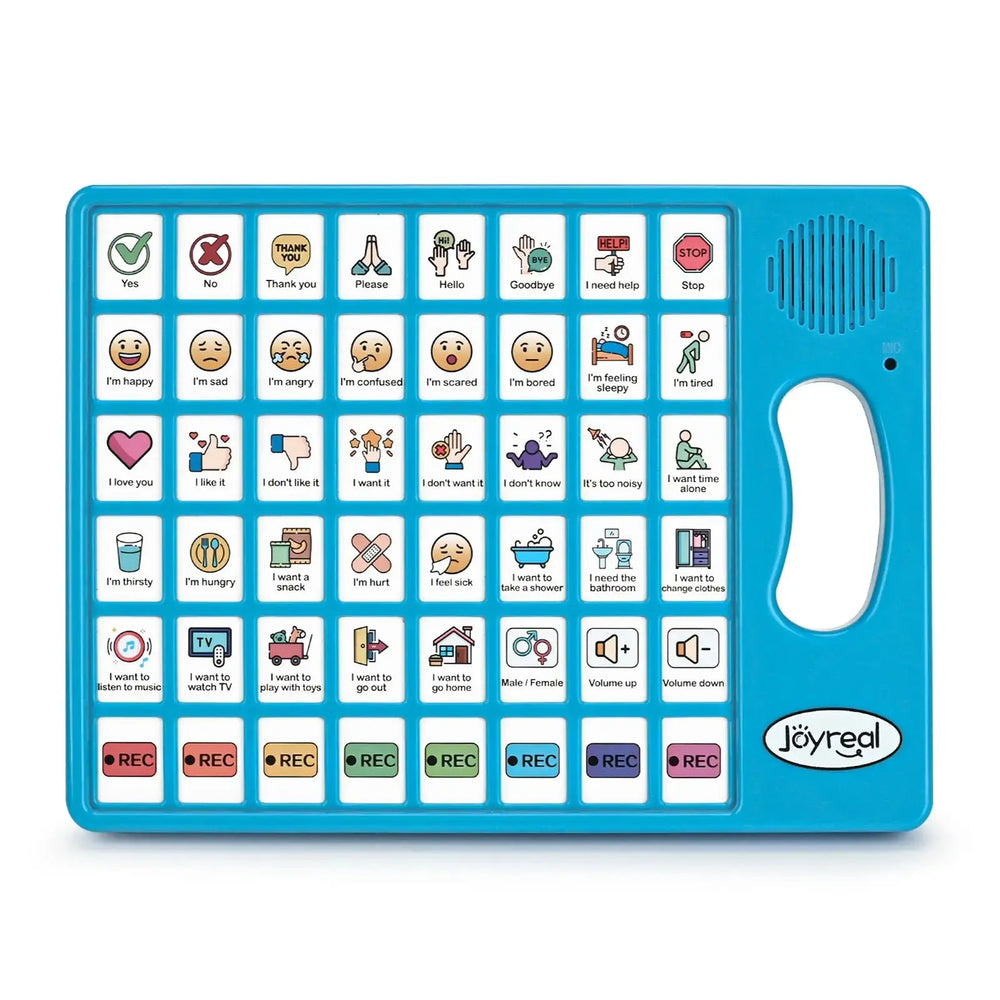
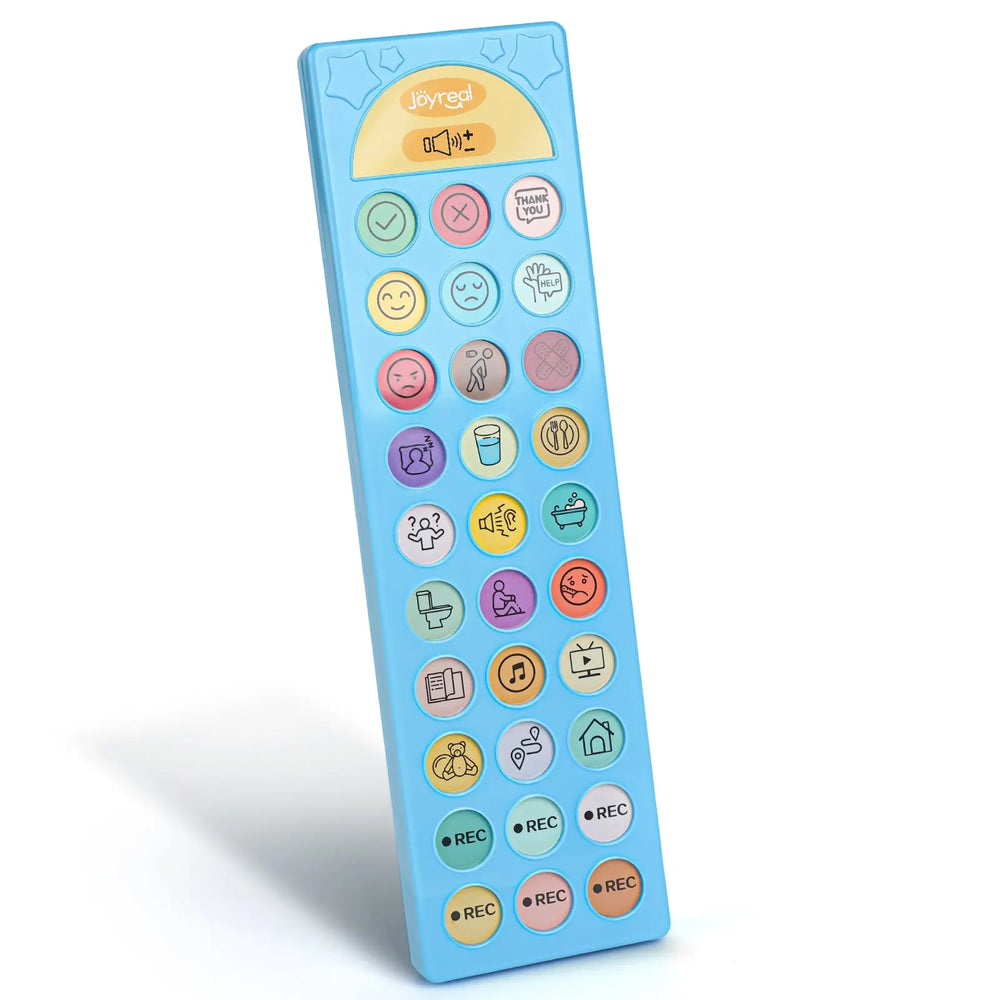
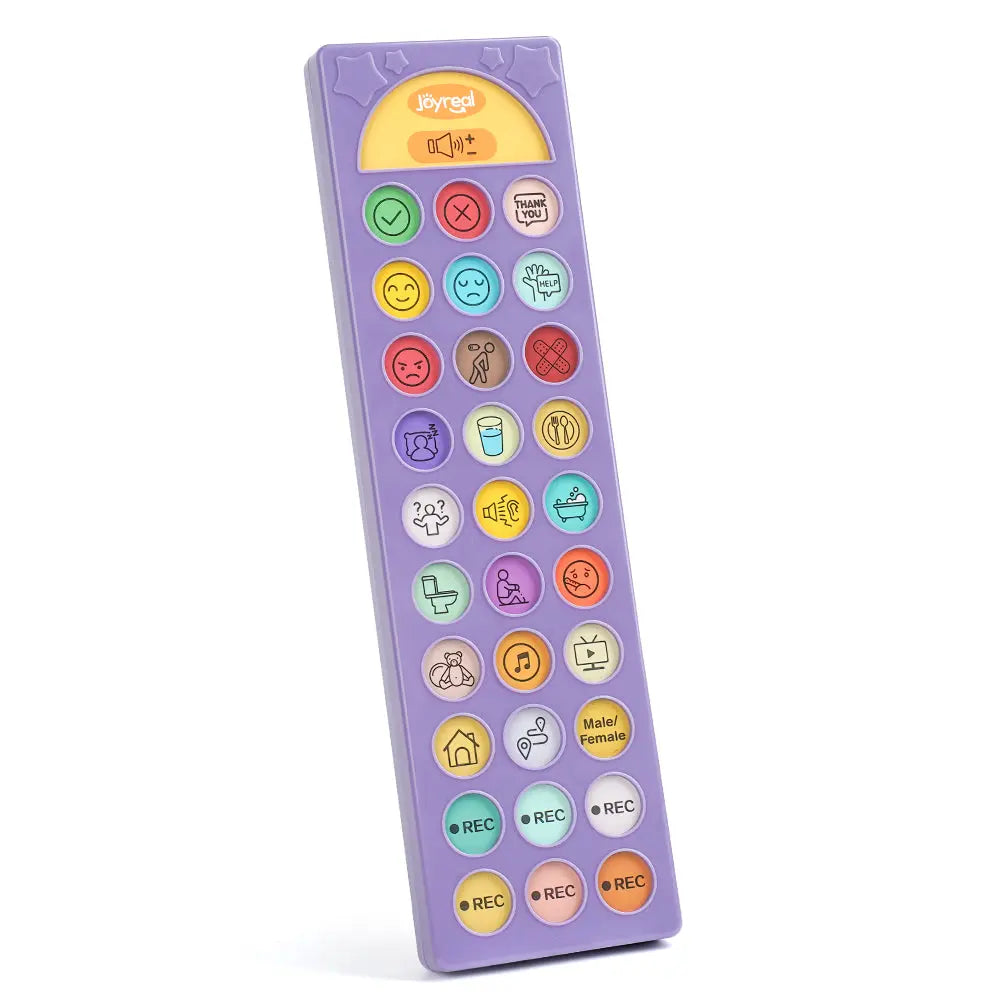
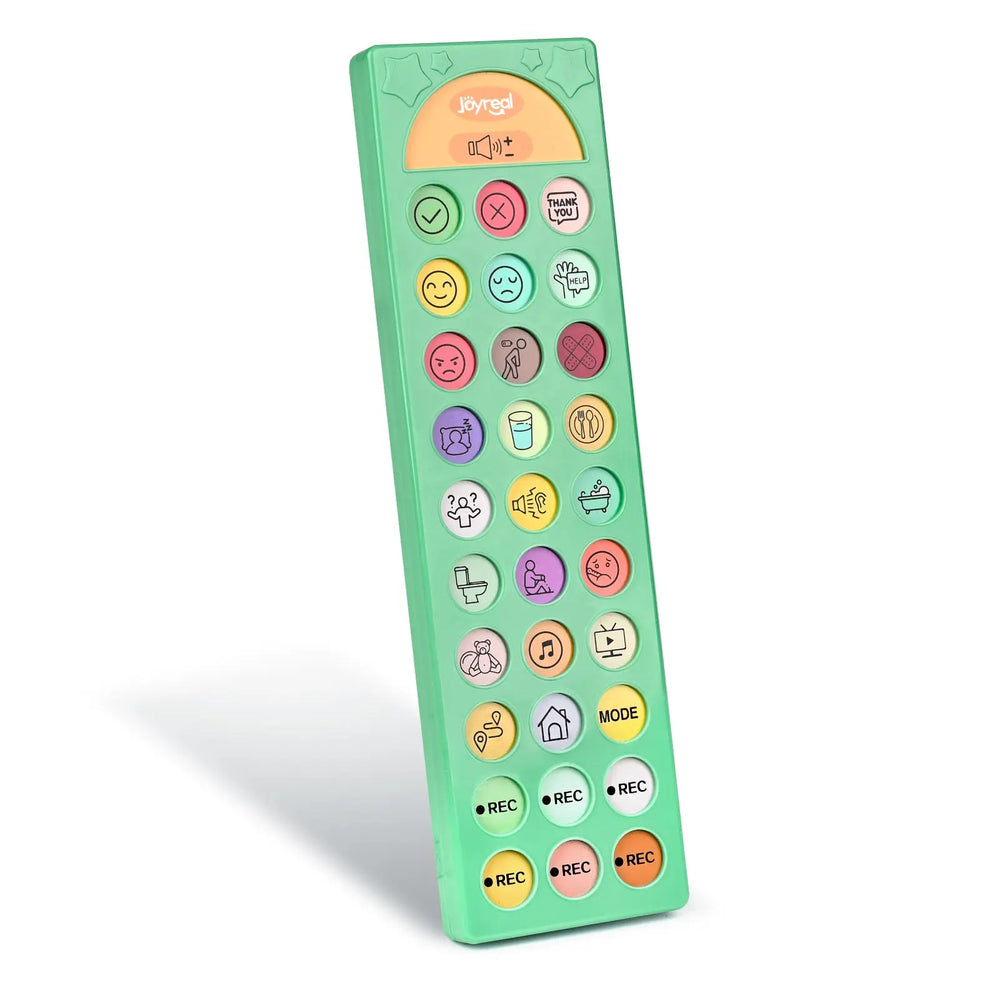
The Joyreal Talking Aid is a user-friendly and budget-friendly AAC device for autism that supports speech, symbol-based, and visual communication. It helps both verbal and nonverbal children express themselves naturally.
Here’s why parents and therapists love it:
| Feature | Description |
| Ease of Use | Intuitive touchscreen design with customizable icons and voice options |
| Multilingual Support | Intuitive touchscreen design with customizable icons and voice options |
| Lightweight & Durable | Intuitive touchscreen design with customizable icons and voice options |
| Affordable Price | Intuitive touchscreen design with customizable icons and voice options |
| Therapist-Approved | Widely recommended by speech-language pathologists for early communication training |
Unlike many premium AAC devices that cost hundreds or even thousands of dollars, Joyreal Talking Aid offers high performance at a fraction of the price — truly a great quality at a good price talking aid designed for real families.

Building a Strong Emotional Bond Through Communication
Emotional Safety and Understanding
By giving your child a reliable voice through Joyreal Talking Aid, you’re fostering emotional security. When children can express their feelings and needs clearly, they feel more understood — leading to fewer meltdowns and deeper emotional connection.
How Joyreal Talking Aid Strengthens Bonds
- Enables shared daily communication (e.g., “I’m hungry,” “I love you”)
- Reduces frustration caused by speech limitations
- Helps parents interpret nonverbal cues with voice output support
- Encourages positive social interaction and empathy
Each moment your child uses their talking aid successfully becomes a step toward mutual understanding.
Practical Ways to Communicate Daily Using AAC
1. Integrate the Joyreal Talking Aid Into Routine
Incorporate the AAC communication device during meals, playtime, and bedtime. Let your child use it to request items or express feelings, reinforcing consistent communication.
2. Pair Verbal and Visual Language
Combine spoken words with images or voice buttons on the device. For example, when you say “snack time,” press the same icon on the Joyreal Talking Aid to create association.
3. Encourage Exploration
Allow your child to explore the device freely — curiosity fosters confidence. The Joyreal AAC system is built for independent discovery, helping children learn at their own pace.
4. Personalize It
Upload family photos, favorite foods, or toys into the device to make it familiar and fun. Personalization turns communication into a joyful daily habit.
Managing Communication Challenges Gracefully
Even with a powerful AAC device for autism, communication can still be unpredictable. When breakdowns occur:
- Stay patient and calm.
- Give your child time to find the right button or symbol.
- Praise all attempts, not just perfect ones.
Over time, these small steps create a lasting foundation of trust and understanding.

Technology That Connects, Not Replaces
While the Joyreal Talking Aid is a game-changing talking aid, it’s important to remember that technology complements — not replaces — human connection. Use the device with your child, not just for them. Celebrate their voice in every form.
Collaborating with Therapists and Teachers
Speech-language therapists often use AAC communication devices like Joyreal to build vocabulary and improve sentence formation. Share the same tools and vocabulary across home and school so your child feels confident in every environment.
Conclusion: Communication Is Connection
Building a stronger bond with your autistic child means giving them the tools to express who they are. With the Joyreal Talking Aid, you’re not just investing in a cheap AAC device — you’re opening the door to laughter, learning, and lifelong understanding.
Whether through words, pictures, or a simple button press, communication becomes a bridge — one built with love, patience, and technology that truly connects.
FAQs About AAC Devices and Joyreal Talking Aid
1. What is an AAC communication device?
- An AAC device (Augmentative and Alternative Communication) helps people with speech difficulties express themselves through text, symbols, or voice output.
2. Is Joyreal Talking Aid suitable for nonverbal children?
- Absolutely. It’s designed for both nonverbal and minimally verbal users, helping them express feelings, needs, and ideas effortlessly.
3. How much do AAC devices cost?
- AAC devices can range from $200 to over $2000. However, Joyreal Talking Aid offers premium quality at a fraction of that — making it one of the most affordable AAC devices available.
4. Can the Joyreal Talking Aid be customized for my child?
- Yes! Parents can easily adjust buttons, add pictures, and record familiar voices to personalize communication.
6. Where can I buy the Joyreal Talking Aid?
- You can learn more or purchase the device directly from Joyreal Official Website
or check their listings on major online marketplaces.
Popular Guides for Parents
- DIY Busy Board: A Guide to Making Your Own
- Montessori Wooden Toys: Choose Baby Walking Toys to Boost Early Skills
- Montessori Busy Boards by Age: Safe, Skill-Building Toys for 10 Months to 4 Years
- How Do Different Colors Affect Sensory Overload in Autistic Children?
- Noah’s Ark Toy: Building Skills Through Play
- Best Busy Boards for 1 Year Old: A Parent’s Guide to Sensory Play
Recent Post

Wooden Musical Toys vs Electronic Music Toys: Which Is Better for Open-Ended Play?
For parents who want a calmer play environment, the choice between...

10 Simple Parent-Child Music Games Using a Toddler Drum Set
A toddler drum set can become much more than a noisy toy. With a fe...

Noah’s Ark Activities for Sunday School and Preschool
A Noah’s Ark toy can turn a familiar Bible story into a hands-on ac...

Noah’s Ark Toy Gift Guide: What Should Parents Check Before Buying?
A noah’s ark toy can be a thoughtful birthday, baptism, Christmas, ...

Can a Noah’s Ark Toy Be Used for Science and Nature Play?
Yes. A noah’s ark toy can be used as a starting point for simple sc...

How Can AAC Help a Child Communicate Pain, Illness, or Discomfort?
A child who cannot reliably use speech may still notice pain, illne...

How to Model AAC During Play Without Pressuring Your Child
For many children, play is one of the most comfortable places to pr...

How Can Parents Help a Child Use AAC at School and Home?
How Can Parents Help a Child Use AAC at School and Home? Children w...

AAC for Siblings and Playdates: Helping Children Join Social Play
Children do not need to use speech to take part in sibling play or ...

How to Teach Independent Play With a Busy Board Without Overhelping
Independent play does not usually begin with a parent stepping away...