
AAC For Preschoolers: Supporting Communication Before Kindergarten
Kindergarten Preparation Is More Than Learning Letters
When parents think about kindergarten readiness, they often focus on academic skills:
Knowing colors.
Recognizing letters.
Counting numbers.
Following instructions.
But there is another skill that affects every part of the school day:
Communication.
Before entering preschool or kindergarten, children need ways to:
Ask for help.
Answer questions.
Make choices.
Join activities.
Tell adults what they need.
Interact with classmates.
For children with autism or limited speech, the challenge is not always understanding what is happening.
Sometimes, the challenge is finding a way to show others what they know.
A child may understand the teacher’s question but not know how to answer.
They may want to join play but not know how to say:
“Can I play?”
“My turn.”
“Help me.”
“I need a break.”
AAC devices can help create another path for communication before children enter a larger learning environment. AAC includes different communication supports, from gestures and picture systems to speech-generating devices and other tools designed to support functional communication.

Why Communication Matters Before Kindergarten
Preschool is a social environment.
Children are constantly communicating:
During circle time.
During play centers.
During group activities.
During snack time.
During transitions.
A child does not need to have perfect speech to participate.
But they do need a way to express:
“I want a turn.”
“I need help.”
“I don’t understand.”
“I’m finished.”
“I like this.”
Without a reliable communication method, some children may become observers instead of active participants.
The goal of AAC device is not only requesting objects.
The goal is helping children participate in their world.
Using AAC Device To Ask Questions
Many early communication programs focus on requesting:
“I want juice.”
“I want toy.”
Those requests are important.
But preschool communication goes beyond asking for things.
Children also need to ask questions.
Examples:
“Where is it?”
“What happened?”
“Who is that?”
“Why?”
“Help me.”
Questions help children learn, interact, and build relationships.
During story time, a child may want to answer:
“Who is this?”
During play, they may want to ask:
“Your turn?”
“Play with me?”
During classroom activities, they may want to say:
“I don’t know.”
AAC can help make those moments possible.
Helping Children Follow Classroom Routines
Preschool classrooms follow many predictable routines:
Put belongings away.
Sit together.
Listen to instructions.
Move between activities.
Clean up.
Wait for a turn.
For some children, transitions can feel challenging because they need more support understanding what happens next.
Visual supports and communication tools can make routines easier to follow.
A classroom routine may look like:
Arrival
↓
Circle Time
↓
Activity
↓
Snack
↓
Play
↓
Home
A child can also communicate during these transitions:
“Wait.”
“Help.”
“Finished.”
“Break.”
The goal is not only following the routine.
The goal is helping the child have a voice within the routine.
AAC Device And Classroom Participation
Being ready for kindergarten is not only about completing tasks.
It is about participation.
A child participates when they can:
Choose an activity.
Respond to a teacher.
Join a group.
Share an idea.
Interact with classmates.
AAC can support participation in different classroom moments.
During Circle Time
A child may communicate:
“Hello.”
“My turn.”
“I like it.”
“More.”
During Play
A child may communicate:
“Play.”
“Again.”
“Stop.”
“Your turn.”
During Art Activities
A child may communicate:
“Red.”
“More.”
“Help.”
“Finished.”
These small interactions build confidence before kindergarten.
Preparing Children To Communicate With Teachers
One of the biggest changes from home to school is communication with unfamiliar adults.
At home, parents often understand their child’s gestures, sounds, and routines.
A teacher may not know those signals yet.
AAC can help bridge that gap.
A child can communicate:
“I need help.”
“I need a break.”
“I don’t like this.”
“I finished.”
“I need the bathroom.”
This gives teachers more information and helps children become more independent.
AAC Device Is Not About Replacing Speech
Some parents worry that introducing AAC devices means giving up on speech.
That is a common concern.
AAC is not about replacing a child’s voice.
It is about expanding communication options.
A child may communicate through:
Speech.
Sounds.
Gestures.
Pictures.
Signs.
AAC.
Children do not need to use only one communication method.
ASHA notes that AAC does not require specific prerequisite skills before introduction and can be considered when communication needs are not being met.
The goal is simple:
Help children communicate in the way that works best for them.
How Parents Can Practice AAC Before School Starts
AAC device does not need to begin only inside a classroom.
Parents can practice during everyday moments.
Practice Choices
Instead of:
“What do you want?”
Try:
“Blue cup or green cup?”
Practice Asking For Help
During play:
“Need help?”
Practice Turn Taking
During games:
“My turn.”
“Your turn.”
Practice Ending Activities
Before changing activities:
“All done.”
“Finished.”
These small moments prepare children for bigger social situations.
Choosing AAC Devices For Autism: Focus On Communication, Not Technology
When families search for aac devices for autism, it is easy to focus on the device itself.
But the most important question is not:
“How advanced is the tool?”
The better question is:
“Can my child use this to communicate in real situations?”
A useful communication system should help children express:
Needs.
Choices.
Feelings.
Questions.
Ideas.
The tool should fit the child, not the other way around.
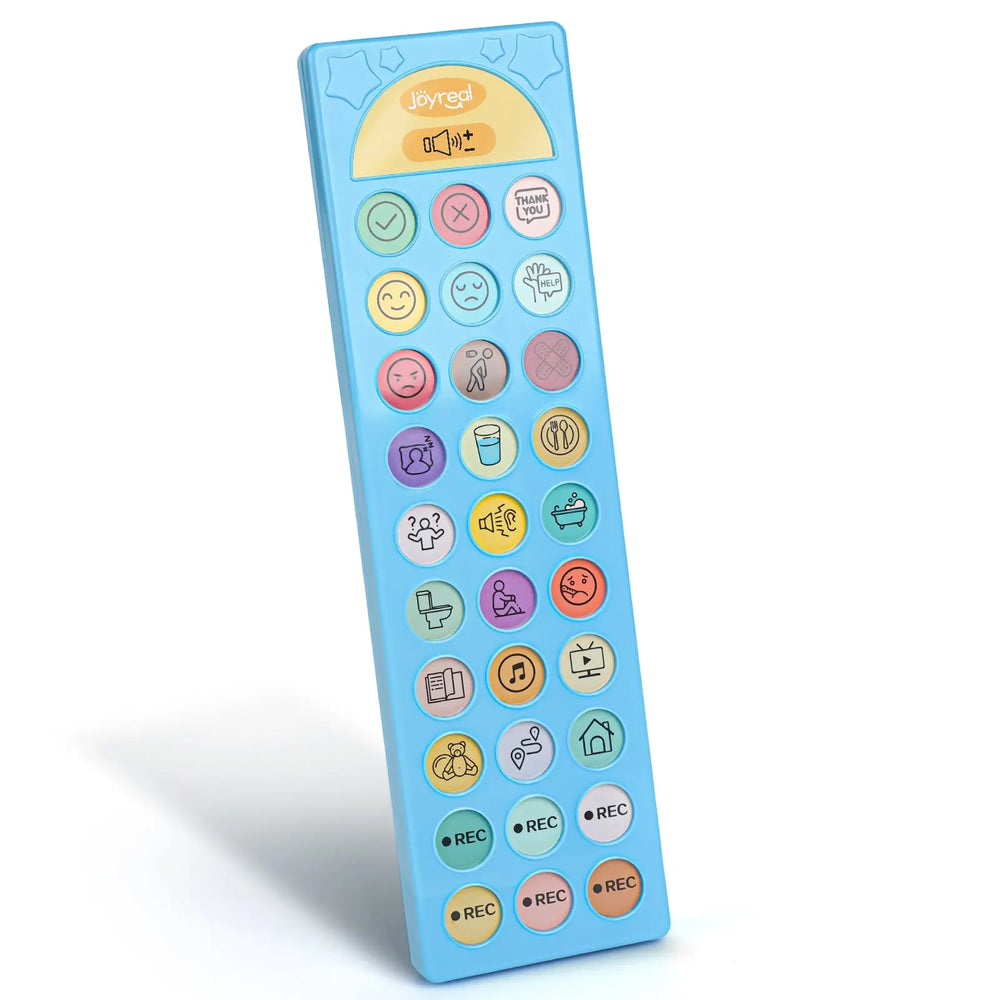
Where Joyreal AAC Talking Aid Can Fit Before Kindergarten
For families preparing a child for preschool, Joyreal AAC can support communication practice before entering the classroom.
Instead of focusing only on learning words, families can use it during meaningful moments:
Before school:
“I need help.”
During play:
“My turn.”
During transitions:
“Wait.”
During frustration:
“Break.”
Joyreal AAC talking aid can help families create more communication opportunities at home before children enter a new learning environment.
It is not a replacement for speech therapy, school services, or professional support.
It is a practical communication support tool that helps children practice expressing themselves during everyday activities.

Building Confidence Before Kindergarten
The goal before kindergarten is not perfect speech.
The goal is participation.
A child who can communicate:
“I need help.”
“I want to join.”
“I am finished.”
“I need a break.”
has more control over their environment.
Communication builds confidence.
Confidence builds independence.
And independence helps children participate more fully in school.
Preschool Communication Checklist
Before kindergarten, ask:
- Can my child ask for help?
- Can my child make choices?
- Can my child communicate “finished”?
- Can my child express discomfort?
- Can my child participate in group activities?
- Can teachers understand my child’s communication style?
Every child develops differently.
The goal is not comparing children.
The goal is making sure every child has a way to participate.
FAQ
Is AAC Helpful For Preschoolers?
Yes. AAC can support preschoolers who need additional communication options, including children with autism or limited speech.
Should My Child Start AAC Before Kindergarten?
AAC can be introduced before kindergarten when a child needs additional communication support. Early use gives children more opportunities to practice communication in real situations.
Can AAC Help My Child Communicate At School?
Yes. AAC can help children communicate with teachers, join classroom activities, make choices, and interact with classmates.
What Are Good AAC Words For Preschool?
Useful early words include:
- Help
- More
- Stop
- Go
- My Turn
- Your Turn
- Finished
- Break
- Yes
- No
What Are AAC Devices For Autism Used For?
AAC devices for autism can support children in expressing needs, choices, feelings, questions, and ideas when spoken communication alone is not enough.
Where Does Joyreal AAC Fit?
Joyreal AAC devices can support preschool preparation by helping children practice functional communication during everyday routines before entering school.


Popular Guides for Parents
- DIY Busy Board: A Guide to Making Your Own
- Montessori Wooden Toys: Choose Baby Walking Toys to Boost Early Skills
- Montessori Busy Boards by Age: Safe, Skill-Building Toys for 10 Months to 4 Years
- How Do Different Colors Affect Sensory Overload in Autistic Children?
- Noah’s Ark Toy: Building Skills Through Play
- Best Busy Boards for 1 Year Old: A Parent’s Guide to Sensory Play
Recent Post

Wooden Musical Toys vs Electronic Music Toys: Which Is Better for Open-Ended Play?
For parents who want a calmer play environment, the choice between...

10 Simple Parent-Child Music Games Using a Toddler Drum Set
A toddler drum set can become much more than a noisy toy. With a fe...

Noah’s Ark Activities for Sunday School and Preschool
A Noah’s Ark toy can turn a familiar Bible story into a hands-on ac...

Noah’s Ark Toy Gift Guide: What Should Parents Check Before Buying?
A noah’s ark toy can be a thoughtful birthday, baptism, Christmas, ...

Can a Noah’s Ark Toy Be Used for Science and Nature Play?
Yes. A noah’s ark toy can be used as a starting point for simple sc...

How Can AAC Help a Child Communicate Pain, Illness, or Discomfort?
A child who cannot reliably use speech may still notice pain, illne...

How to Model AAC During Play Without Pressuring Your Child
For many children, play is one of the most comfortable places to pr...

How Can Parents Help a Child Use AAC at School and Home?
How Can Parents Help a Child Use AAC at School and Home? Children w...

AAC for Siblings and Playdates: Helping Children Join Social Play
Children do not need to use speech to take part in sibling play or ...

How to Teach Independent Play With a Busy Board Without Overhelping
Independent play does not usually begin with a parent stepping away...