
How Can AAC Support Morning Routines For Children With Autism?
Another Morning Starts With Tears
The alarm goes off.
Breakfast is waiting.
Clothes need to be chosen.
Teeth need to be brushed.
Everyone needs to leave on time.
But your child is already upset.
They cry when it is time to get dressed.
They push away their clothes.
They refuse breakfast.
They become overwhelmed when the routine changes.
Many parents wonder:
“Why is every morning so difficult?”
“Why can’t my child just tell me what is wrong?”
“How can I help when they cannot explain what they need?”
For some children with autism, mornings are challenging because many changes happen at the same time. Moving from one activity to another, handling sensory input, and communicating needs can all feel overwhelming.
The problem is not always the routine itself.

Sometimes, the child simply does not have an easy way to say:
“I need help.”
“I need more time.”
“I don’t like this.”
“I need a break.”
Why Morning Transitions Can Be Difficult
Morning routines include many small transitions:
Wake up → Get dressed → Brush teeth → Eat breakfast → Leave home
For adults, these steps feel automatic.
For children who struggle with communication, sensory needs, or changes in routine, each step may require extra effort.
Common morning challenges may include:
- Difficulty understanding what happens next
- Feeling overwhelmed by too many instructions
- Discomfort with clothing textures
- Stress when the schedule changes
- Difficulty expressing choices
- Needing more time to process information
A child crying during the morning routine may not be saying:
“I don’t want to do this.”
They may be communicating:
“This is too much.”
“I need help.”
“I don’t understand what comes next.”
Autism can affect communication, social interaction, and how children respond to routines and sensory experiences. Supporting communication and creating predictable routines can make everyday activities easier to navigate.
Communication Comes Before Independence
Many parents focus on teaching children to complete routines independently:
Put on shoes.
Brush teeth.
Eat breakfast.
Pack a bag.
But independence starts with communication.
Before a child can independently solve a problem, they need a way to express:
“I need help.”
“I want this.”
“I don’t want that.”
“I’m finished.”
This is where AAC can become part of everyday life.
AAC is not only something used during therapy sessions. It can support real communication during the moments when children need it most.
AAC can include different communication supports, including gestures, pictures, communication boards, speech-generating devices, and other tools that help children express needs and choices.
Using AAC Devices For Daily Choices
One of the easiest ways to introduce AAC into a morning routine is through choices.
Instead of asking:
“What do you want to wear?”
Try:
“Blue shirt or green shirt?”
Instead of:
“What do you want for breakfast?”
Try:
“Toast or cereal?”
Instead of:
“Are you ready to go?”
Try:
“Shoes or jacket?”
Small choices give children control.
They also reduce frustration because the child does not need to create a complete answer. They only need a way to show their preference.
Clothes: Helping Children Express Comfort
Getting dressed can become one of the hardest parts of the morning.
Some children may dislike:
- Certain fabrics
- Tight clothing
- Socks
- Tags
- New clothes
- Unexpected changes
Instead of guessing why your child is upset, give them a way to communicate.
Useful messages may include:
- “Help.”
- “Stop.”
- “Different.”
- “Not this.”
- “Finished.”
A child who can communicate discomfort does not need to rely only on crying or pushing things away.
Breakfast: Turning Needs Into Communication
Breakfast is a natural AAC opportunity because children already have strong reasons to communicate.
They may want:
More food.
A different drink.
A favorite item.
To finish eating.
Parents can model simple words:
“More.”
“Eat.”
“Drink.”
“All done.”
The goal is not to make breakfast a lesson.
The goal is to connect communication with a meaningful result.
“I communicated, and someone understood me.”
Schedule: Making The Morning Predictable
Some children feel calmer when they know what comes next.
A simple visual routine can help:
Wake up
↓
Get dressed
↓
Breakfast
↓
Brush teeth
↓
School / Outside
Visual supports can make routines easier to understand because children can see what is happening now and what will happen next.
AAC and visual schedules do not replace your routine.
They make the routine easier to follow.
Start Small: One Message, One Routine
Many parents feel overwhelmed because they think they need to introduce dozens of words immediately.
You do not.
Start with one routine.
Start with one message.
For example:
Getting Dressed
“Help.”
Breakfast
“More.”
Leaving Home
“Wait.”
When Overwhelmed
“Break.”
Small communication wins build confidence.
Over time, children learn that their communication has meaning.
How To Use AAC Without Pressure
A common mistake is turning AAC into a test.
“Use your device.”
“Tell me what you want.”
“Press the button.”
Instead, model communication naturally.
During breakfast:
“You want more.”
During play:
“Go again.”
During a difficult moment:
“Need a break.”
Then pause.
Your child does not need to respond immediately.
The goal is not perfect button pressing.
The goal is showing:
“This is how I can share my thoughts.”
ASHA emphasizes that AAC does not require specific readiness skills before introduction and can be considered early when communication needs are not being met.
Where Joyreal AAC Can Fit Into Morning Routines

For families exploring aac devices for autism, the biggest question is often not:
“Which device should I buy?”
It is:
“How can this help my child communicate during everyday life?”
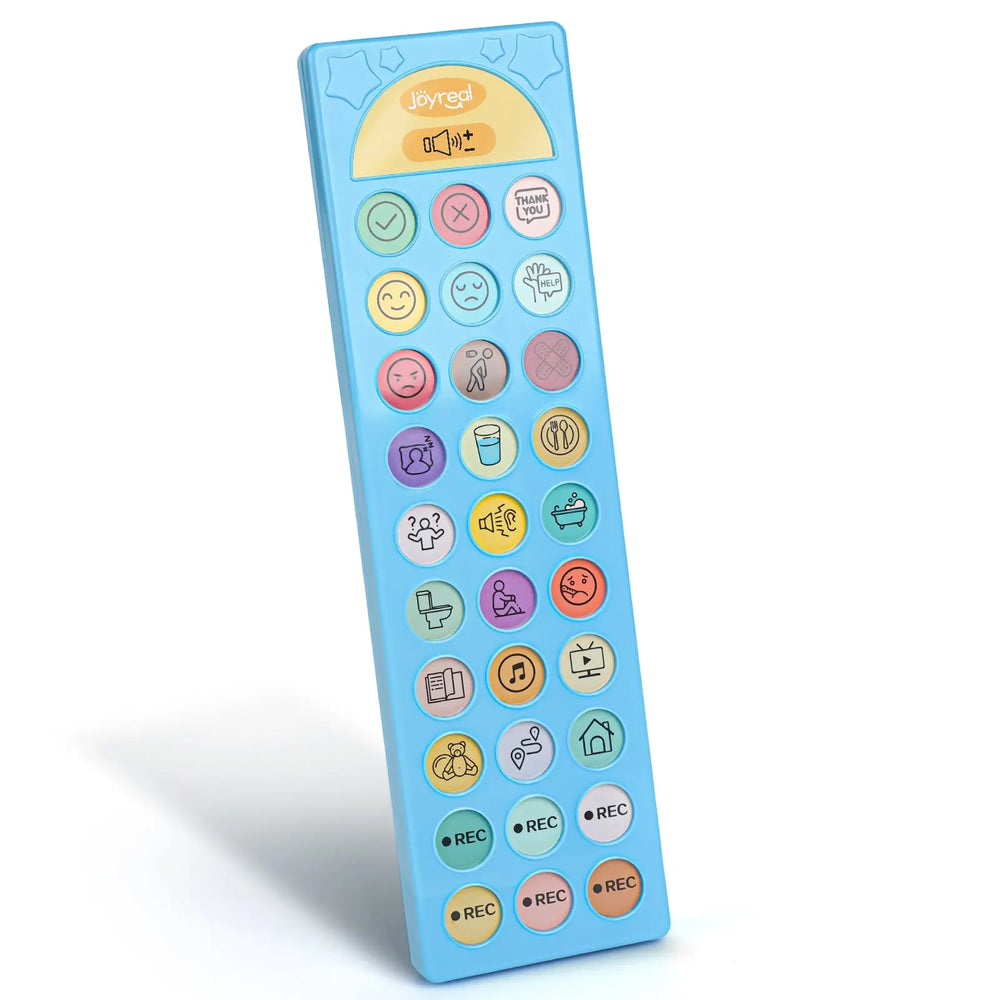
Joyreal AAC can support simple daily messages during real routines.
For example:
During dressing:
“Help.”
“Stop.”
“Different.”
During breakfast:
“More.”
“Drink.”
“All done.”
Before leaving:
“Wait.”
“Go.”
“Break.”
Joyreal AAC talking aid is designed as a simple communication support tool that families can include during daily activities.
It is not a replacement for speech therapy, professional assessment, or individualized support.
Instead, it helps create more opportunities for children to express needs, choices, and feelings at home.
Building Independence Through Small Steps
Independence does not happen overnight.
It starts with small moments:
Choosing a shirt.
Asking for help.
Showing “finished.”
Requesting a break.
Making a choice.
Each successful communication moment teaches your child:
“My voice matters.”
A calmer morning does not mean a perfect morning.
It means your child has more ways to participate.
A Simple Morning AAC Routine To Try
Tomorrow morning, try this:
Step 1: Choose One Difficult Moment
Maybe:
Getting dressed.
Breakfast.
Leaving home.
Step 2: Pick Two Or Three Useful Messages
For example:
Help
More
All done
Step 3: Model Without Pressure
Say the word.
Show the symbol.
Use the communication tool.
Step 4: Respond To Any Attempt
A look.
A point.
A touch.
A gesture.
A button press.
Every communication attempt matters.
What Parents Should Remember
AAC is not a therapy task added to your morning.
It is a way to make everyday moments easier.
Your child does not need to communicate perfectly.
They need a way to be understood.
A child saying:
“I need help.”
“I want more.”
“I need a break.”
“I don’t like this.”
is becoming more independent.
Because independence begins with communication.
FAQ
How Can AAC Help During Autism Morning Routines?
AAC can help children express choices, needs, discomfort, and emotions during everyday activities such as dressing, eating, and leaving home.
What Are Good AAC Words To Start With?
Useful early words may include help, more, stop, eat, drink, wait, break, and all done.
Should AAC Only Be Used During Therapy?
No. AAC can be part of daily activities at home, school, and community settings. Everyday routines create natural opportunities for communication.
What If My Child Does Not Use AAC At First?
Start with simple routines and model consistently. Some children need time to understand that the tool helps them communicate.
Can AAC Help Children Become More Independent?
Yes. When children have a way to express needs and choices, they can participate more actively in everyday activities.
Where Does Joyreal AAC Fit?
Joyreal AAC can support families who want to introduce simple communication during daily routines such as meals, dressing, play, and transitions.



Popular Guides for Parents
- DIY Busy Board: A Guide to Making Your Own
- Montessori Wooden Toys: Choose Baby Walking Toys to Boost Early Skills
- Montessori Busy Boards by Age: Safe, Skill-Building Toys for 10 Months to 4 Years
- How Do Different Colors Affect Sensory Overload in Autistic Children?
- Noah’s Ark Toy: Building Skills Through Play
- Best Busy Boards for 1 Year Old: A Parent’s Guide to Sensory Play
Recent Post

Wooden Musical Toys vs Electronic Music Toys: Which Is Better for Open-Ended Play?
For parents who want a calmer play environment, the choice between...

10 Simple Parent-Child Music Games Using a Toddler Drum Set
A toddler drum set can become much more than a noisy toy. With a fe...

Noah’s Ark Activities for Sunday School and Preschool
A Noah’s Ark toy can turn a familiar Bible story into a hands-on ac...

Noah’s Ark Toy Gift Guide: What Should Parents Check Before Buying?
A noah’s ark toy can be a thoughtful birthday, baptism, Christmas, ...

Can a Noah’s Ark Toy Be Used for Science and Nature Play?
Yes. A noah’s ark toy can be used as a starting point for simple sc...

How Can AAC Help a Child Communicate Pain, Illness, or Discomfort?
A child who cannot reliably use speech may still notice pain, illne...

How to Model AAC During Play Without Pressuring Your Child
For many children, play is one of the most comfortable places to pr...

How Can Parents Help a Child Use AAC at School and Home?
How Can Parents Help a Child Use AAC at School and Home? Children w...

AAC for Siblings and Playdates: Helping Children Join Social Play
Children do not need to use speech to take part in sibling play or ...

How to Teach Independent Play With a Busy Board Without Overhelping
Independent play does not usually begin with a parent stepping away...