
Picture-Based AAC or Phonics AAC? A Parent’s Guide
Phonics vs Picture-Based AAC: Which Communication Tool Is Right for Your Child?
When a child struggles to speak, many parents are introduced to AAC Communication devices as a way to support communication.
But very quickly, another question appears:
Should we use picture-based AAC — or phonics and letter-based AAC?
This is one of the most common (and confusing) decisions families face when supporting children with speech delay or autism. In this guide, we’ll clearly explain the difference, when each works best, and how to choose what truly fits your child.
Key Differences Between Phonics and Picture-Based AAC
|
Feature |
Picture-Based AAC | Phonics-Based AAC |
| Entry level | Very beginner-friendly | Beginner to intermediate |
| Visual support | Strong | Moderate |
| Supports requesting needs | Excellent | Limited |
| Builds sound awareness | Minimal | Strong |
| Prepares for reading | No | Yes |
| Ideal for hyperlexia | Sometimes | Very effective |
Why Some Nonverbal Children Respond Better to Phonics
Many parents notice something unexpected:
“My child doesn’t talk — but they’re obsessed with letters.”
This is common among autistic children, especially those with hyperlexia traits, where a child:
- Recognizes letters very early
- Loves alphabet toys
- Enjoys repetition and sound patterns
- Is highly motivated by structure
For these children, pictures may feel:
- Too abstract
- Less engaging
- Not motivating enough
Phonics-based AAC allows parents and therapists to use the child’s natural interest as a bridge to communication.
Is One AAC Method Better Than the Other?
There is no universal answer — because AAC is not one-size-fits-all.
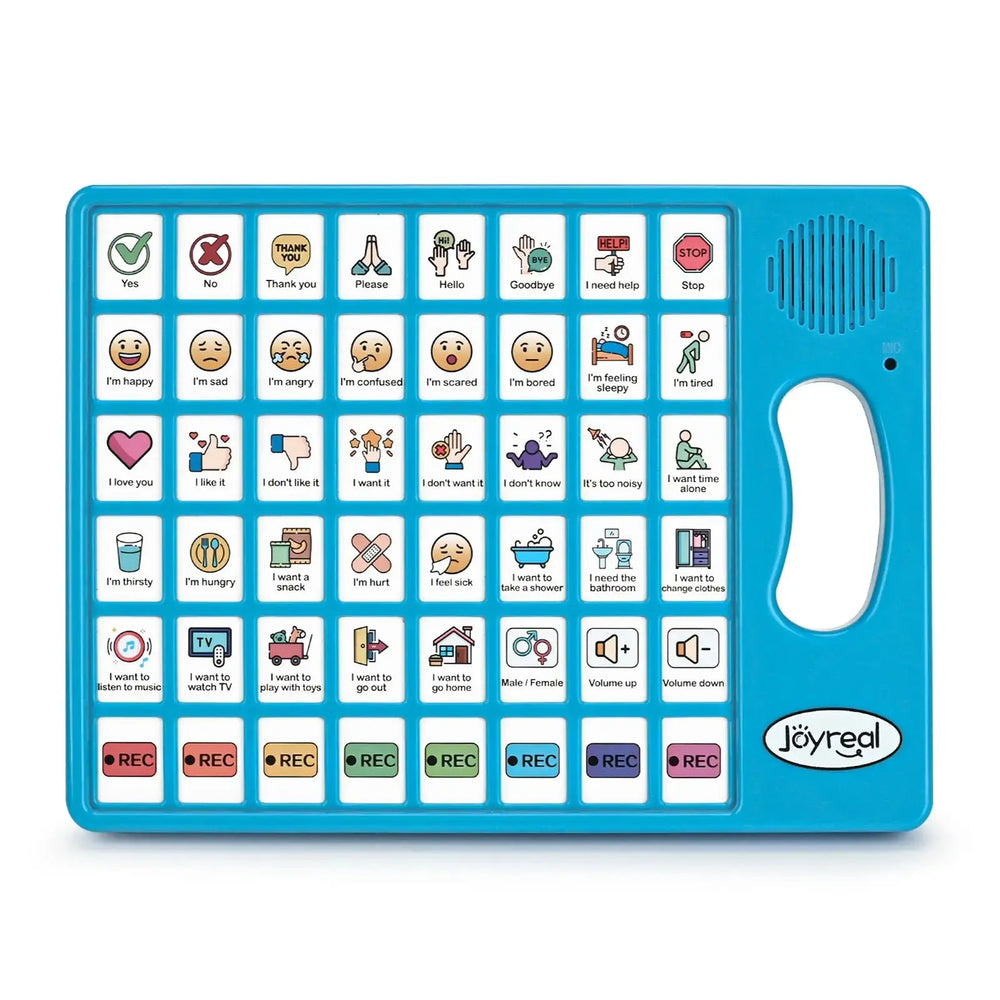
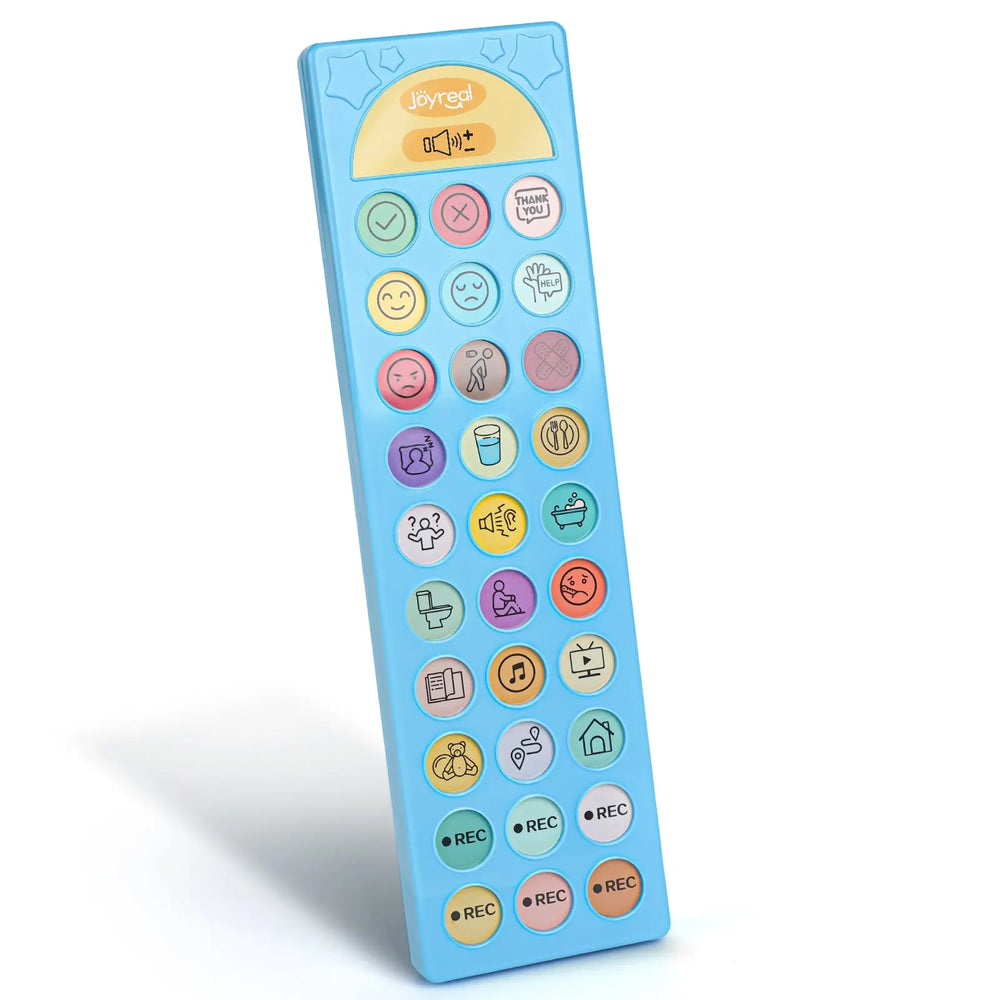
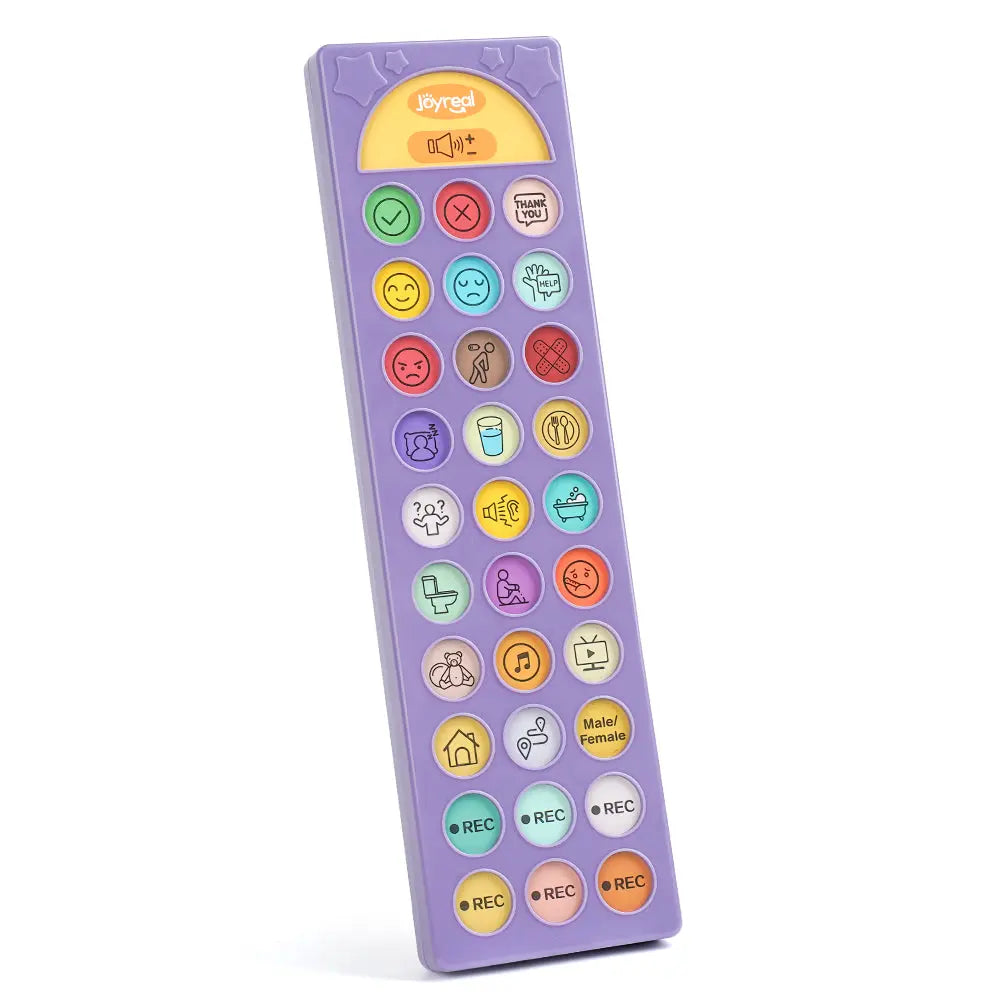
Picture-based AAC works best when:
- A child is just beginning to understand communication
- Immediate needs and requests are the priority
- The child has limited interest in letters or sounds
Phonics-based AAC may be a better fit when:
- A child shows strong interest in letters or phonics
- Speech therapy focuses on sound awareness
- Parents want to support communication and early literacy
Many families successfully use both approaches, either at different stages or together.
How Joyreal’s Phonics & Letter Learning AAC Device Supports This Approach
Joyreal’s Phonics & Letter Learning AAC Device was created for children who don’t always connect with picture-based systems alone.
It is especially helpful for:
- Children with speech delay or autism
- Nonverbal or minimally verbal children
- Children drawn to letters, sounds, and repetition
Why families choose a phonics-based AAC like Joyreal’s:
- No screen overload
- Simple press-and-hear interaction
- Encourages sound imitation naturally
- Supports early phonological awareness
- Complements — not replaces — picture AAC
For many families, it becomes a low-pressure way to explore communication through sound.

Communication Comes Before Speech
One important reminder for every parent:
Communication does not begin with spoken words.
It begins with intention, response, and connection.
Whether a child presses a picture, a letter, or a sound button — each interaction is meaningful. AAC is not about forcing speech, but about giving children a way to be understood.
If your child lights up when they hear letter sounds, a phonics-based AAC approach may open a door that pictures alone could not.
Final Thoughts
- Picture-based AAC is a strong foundation for early communication
- Phonics-based AAC supports sound awareness and language development
- Some children thrive when letters become their pathway to expression
- The best AAC tool is the one your child is motivated to use
There is no “right” AAC — only the right fit for your child.

Popular Guides for Parents
- DIY Busy Board: A Guide to Making Your Own
- Montessori Wooden Toys: Choose Baby Walking Toys to Boost Early Skills
- Montessori Busy Boards by Age: Safe, Skill-Building Toys for 10 Months to 4 Years
- How Do Different Colors Affect Sensory Overload in Autistic Children?
- Noah’s Ark Toy: Building Skills Through Play
- Best Busy Boards for 1 Year Old: A Parent’s Guide to Sensory Play
Recent Post

Wooden Musical Toys vs Electronic Music Toys: Which Is Better for Open-Ended Play?
For parents who want a calmer play environment, the choice between...

10 Simple Parent-Child Music Games Using a Toddler Drum Set
A toddler drum set can become much more than a noisy toy. With a fe...

Noah’s Ark Activities for Sunday School and Preschool
A Noah’s Ark toy can turn a familiar Bible story into a hands-on ac...

Noah’s Ark Toy Gift Guide: What Should Parents Check Before Buying?
A noah’s ark toy can be a thoughtful birthday, baptism, Christmas, ...

Can a Noah’s Ark Toy Be Used for Science and Nature Play?
Yes. A noah’s ark toy can be used as a starting point for simple sc...

How Can AAC Help a Child Communicate Pain, Illness, or Discomfort?
A child who cannot reliably use speech may still notice pain, illne...

How to Model AAC During Play Without Pressuring Your Child
For many children, play is one of the most comfortable places to pr...

How Can Parents Help a Child Use AAC at School and Home?
How Can Parents Help a Child Use AAC at School and Home? Children w...

AAC for Siblings and Playdates: Helping Children Join Social Play
Children do not need to use speech to take part in sibling play or ...

How to Teach Independent Play With a Busy Board Without Overhelping
Independent play does not usually begin with a parent stepping away...