
What Device Helps Nonverbal Children Communicate?
Who Are Nonverbal Children?
Nonverbal children are those who have limited or no spoken language but can still communicate through gestures, facial expressions, or assistive devices. Many nonverbal children are diagnosed with autism spectrum disorder (ASD), apraxia, or developmental delays that affect their ability to produce speech.
- Causes of Nonverbal Behavior in Children with Autism
Autism affects how the brain processes language and social communication. Some children struggle to coordinate the muscles used for speech, while others find verbal communication overwhelming. In these cases, non verbal communication tools become essential bridges to understanding.
- Importance of Early Intervention
Early exposure to communication devices for nonverbal kids can drastically improve their social development. When introduced at a young age, children learn to associate words with actions, feelings, and needs—paving the way for long-term communication success.

Exploring Non Verbal Communication Tools
- What Are Non Verbal Communication Tools?
Non verbal communication tools are technologies or systems that allow individuals to express themselves without speech. These include picture cards, speech-generating devices (SGDs), tablets with AAC (Augmentative and Alternative Communication) apps, and wearable autism communication devices.
- Benefits of Using Communication Tools for Nonverbal Kids
These tools empower children to share emotions, make choices, and participate in everyday conversations. They also reduce frustration, improve behavior, and foster emotional bonding between the child and caregivers.

Types of Communication Devices for Nonverbal Kids
1. Picture Exchange Communication System (PECS)
PECS uses image cards that children can hand over to express their needs (e.g., showing a picture of food to request a snack). It’s one of the most accessible and affordable non verbal communication tools available.
2. Speech Generating Devices (SGDs)
SGDs produce spoken words when a child selects pictures or symbols on a screen. Modern SGDs like Tobii Dynavox offer voice customization, touch-screen interfaces, and integration with educational software.
3. AAC Apps for Tablets and Phones
Apps like Proloquo2Go and TouchChat HD turn tablets into dynamic autism communication devices. These apps use symbols, text, and recorded speech to help kids express full sentences easily.
4. Wearable Autism Communication Devices
Innovations such as smartwatches and lightweight AAC badges allow children to communicate on the go. Some wearables even track emotions and provide sensory feedback to help regulate stress.
How Autism Communication Devices Empower Children
- Improving Social Interaction and Emotional Expression
AAC tools help children engage in daily conversations, make friends, and express joy or discomfort. This social interaction boosts emotional intelligence and empathy.
- Enhancing Academic and Daily Living Skills
When children can communicate effectively, they perform better academically. They also learn independence—like requesting help, choosing food, or expressing pain—through AAC tools.
- Building Confidence Through Voice and Choice
Having a “voice” through technology gives children autonomy. It allows them to make choices, share opinions, and take part in family activities confidently.
Best Communication Device for Nonverbal Kids: Top Picks 2026
Choosing the right communication device for nonverbal kids can be life-changing. These tools empower children with autism or speech delays to express themselves confidently. Below are the top-rated and emerging autism communication devices that parents, therapists, and educators trust in 2026.
- 1. Tobii Dynavox I-Series
A high-end speech-generating device (SGD) that uses eye-tracking technology, making it ideal for children with limited motor control. It’s durable, accessible, and designed for both home and classroom use.
- 2. Proloquo2Go App
One of the most popular AAC apps on iPad, Proloquo2Go offers an intuitive interface with customizable vocabulary and voice options. It’s an excellent tool for children beginning their AAC journey.
- 3. TouchChat HD
TouchChat HD is perfect for older children or teens who want more expressive communication. It supports complex sentence building and can grow with the child’s linguistic ability.
- 4. CoughDrop AAC App
A cloud-based AAC platform that allows collaboration between parents, teachers, and speech therapists. With shared profiles and real-time tracking, it’s a flexible and data-driven choice.
- 5. Jabbla Mobi 3
A robust, tablet-based autism communication device known for its durability and child-friendly interface. It’s a reliable option for younger children who need visual, tactile, and audio feedback.
- 6. Joyreal AAC — The Rising Star in Non Verbal Communication Tools
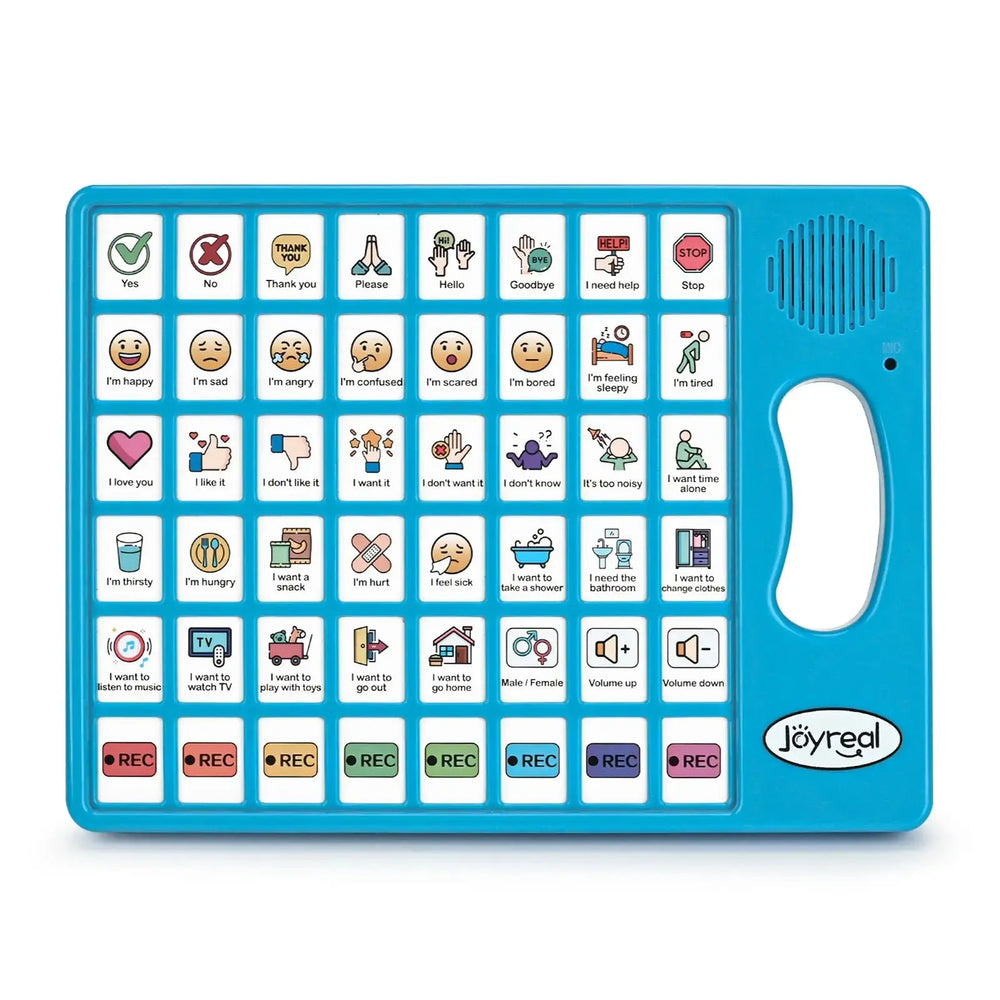
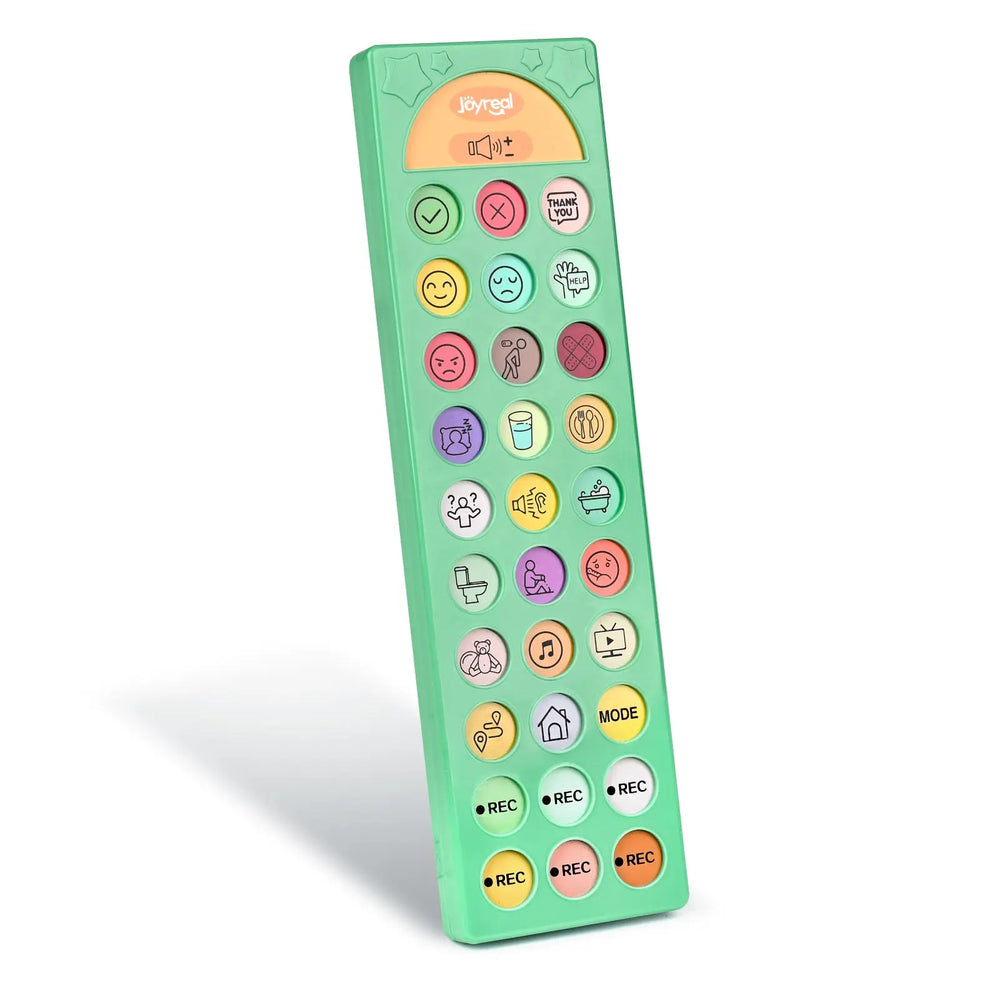
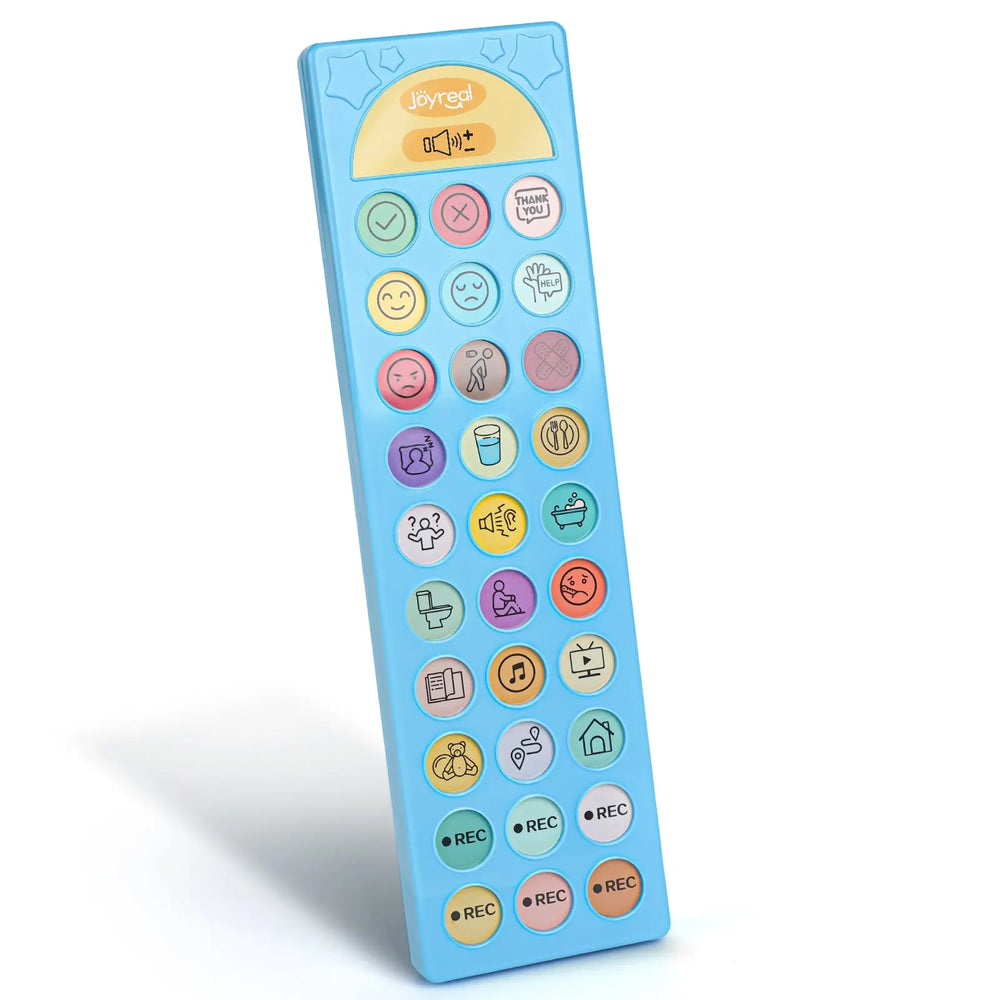
Joyreal AAC talking aid is a new-generation, enhanced communication device designed specifically for nonverbal children and those with autism spectrum disorders (ASD). It’s quickly becoming a favorite among therapists and parents for its balance of innovation, accessibility, and affordability.
Key Features of Joyreal AAC
- Word Prediction: Joyreal AAC learns from the child’s habits to suggest words and phrases in real time, helping them communicate faster and more naturally.
- Vibrant Visual Symbol System: Bright, high-contrast icons and photos make it easier for kids to understand and select what they want to say.
- Emotion-Aware Interface: The device can detect emotional tone and offer supportive prompts, helping children manage frustration or anxiety.
- Cross-Device Syncing: Works seamlessly across tablets, smartphones, and AAC-specific devices, ensuring consistency at home, school, or therapy sessions.
- Multilingual & Culturally Inclusive: Joyreal AAC supports multiple languages, ideal for bilingual families or international schools.
- Affordable and Accessible: Compared to high-end SGDs, Joyreal AAC provides premium-level functionality at a family-friendly price, making it a breakthrough in inclusive communication technology.

Why Joyreal AAC Stands Out
What makes Joyreal communication device unique is its focus on personalization and engagement. The device encourages children to interact using their interests—whether it’s animals, colors, or favorite foods—making learning to communicate fun and emotionally rewarding.
Parents often describe Joyreal AAC as “a bridge between silence and connection.” For children who struggle to express themselves, this tool becomes their voice—literally and figuratively.
Therapists appreciate how quickly children adapt to its interface, and educators love its integration with classroom activities and special education programs.

How to Choose the Right Device for Your Child
- Assess motor and cognitive abilities: Some devices require fine motor skills; others work via touch or gaze.
- Check portability and durability: Kids need lightweight, durable devices for everyday use.
- Consult with SLPs: Speech-language pathologists can guide device selection and training.
Referral: https://joyrealtoys.com/blogs/news/choosing-the-best-aac-device-for-kids-a-parent-s-guide
💡 Pro Tip:
- If you’re just starting your AAC journey, consider trying Joyreal AAC as an affordable yet powerful alternative to premium SGDs. Its design philosophy centers around empowering every child to communicate with confidence.

Teaching Children to Use Communication Devices Effectively
- Start slow: Introduce one symbol or word at a time.
- Model usage: Caregivers should use the device to communicate with the child.
- Reinforce success: Praise attempts and celebrate progress.
- Be patient: Learning AAC takes time but leads to lifelong skills.
Future of Autism Communication Devices
AI advancements are bringing emotion-sensing and predictive speech capabilities to AAC devices. Future non verbal communication tools may include smart glasses or voice recognition tailored for autistic speech patterns—offering even greater independence.
Conclusion: Giving Every Child a Voice
Every child deserves the chance to express themselves. With the help of non verbal communication tools and autism communication devices, we’re one step closer to ensuring that no child’s voice goes unheard. Whether it’s a high-tech AAC app or a simple picture card, what matters most is empowering communication—one word, one touch, one smile at a time.
FAQs about Non Verbal Communication Tools
1. What are the best autism communication devices for beginners?
- PECS and Proloquo2Go are great starting points due to their simplicity and accessibility.
2. Are AAC devices covered by insurance?
- In many countries, yes. Always check with healthcare providers and local programs.
3. Can AAC tools help verbal children too?
- Absolutely. They support language learning and reduce frustration in early communication stages.
4. How long does it take to see progress?
- With consistent use, many children show improvement within weeks or months.
5. Can these devices work in schools?
- Yes, most AAC tools are school-compatible and used in speech therapy programs.
6. What if my child refuses to use the device?
- Involve them in customizing it—let them choose colors, voices, or favorite words to increase engagement.

Popular Guides for Parents
- DIY Busy Board: A Guide to Making Your Own
- Montessori Wooden Toys: Choose Baby Walking Toys to Boost Early Skills
- Montessori Busy Boards by Age: Safe, Skill-Building Toys for 10 Months to 4 Years
- How Do Different Colors Affect Sensory Overload in Autistic Children?
- Noah’s Ark Toy: Building Skills Through Play
- Best Busy Boards for 1 Year Old: A Parent’s Guide to Sensory Play
Recent Post

Wooden Musical Toys vs Electronic Music Toys: Which Is Better for Open-Ended Play?
For parents who want a calmer play environment, the choice between...

10 Simple Parent-Child Music Games Using a Toddler Drum Set
A toddler drum set can become much more than a noisy toy. With a fe...

Noah’s Ark Activities for Sunday School and Preschool
A Noah’s Ark toy can turn a familiar Bible story into a hands-on ac...

Noah’s Ark Toy Gift Guide: What Should Parents Check Before Buying?
A noah’s ark toy can be a thoughtful birthday, baptism, Christmas, ...

Can a Noah’s Ark Toy Be Used for Science and Nature Play?
Yes. A noah’s ark toy can be used as a starting point for simple sc...

How Can AAC Help a Child Communicate Pain, Illness, or Discomfort?
A child who cannot reliably use speech may still notice pain, illne...

How to Model AAC During Play Without Pressuring Your Child
For many children, play is one of the most comfortable places to pr...

How Can Parents Help a Child Use AAC at School and Home?
How Can Parents Help a Child Use AAC at School and Home? Children w...

AAC for Siblings and Playdates: Helping Children Join Social Play
Children do not need to use speech to take part in sibling play or ...

How to Teach Independent Play With a Busy Board Without Overhelping
Independent play does not usually begin with a parent stepping away...