
World Autism Awareness Day: Understanding Autism & Supporting Every Voice

On April 2, 2026, people around the world will come together to recognize World Autism Awareness Day — a global movement dedicated to raising awareness, promoting acceptance, and supporting individuals on the autism spectrum.
First established by the United Nations, this day continues to grow in importance each year as more families, educators, and communities work toward a more inclusive world.
What Is World Autism Awareness Day?
World Autism Awareness Day is observed annually on April 2nd and serves as a global initiative to increase awareness and understanding of autism.
The day focuses on:
- Raising public awareness about autism
- Encouraging early diagnosis and intervention
- Promoting inclusion in schools, workplaces, and communities
- Supporting individuals and families affected by autism
Across the world, organizations, communities, and individuals participate through campaigns, educational events, and social media initiatives.
One of the most recognized movements is “Light It Up Blue,” where people wear blue or illuminate buildings to show support and solidarity.
👉 It’s not just about awareness — it’s about acceptance, respect, and action.
🤝 Why Autism Awareness Still Matters
Despite growing awareness, many individuals and families still face:
- Misunderstanding and stigma
- Limited access to support and resources
- Barriers in education and social inclusion
That’s why 2026 is not just about awareness — it’s about continuing progress.
👉 When society understands autism better, opportunities become more accessible for everyone.
💡 Supporting Communication: Every Voice Matters
For many autistic children, communication can be one of the biggest challenges.
While professional AAC (Augmentative and Alternative Communication) devices are highly effective, they are often expensive and not always accessible.
Today, more families are exploring:
- Simple communication tools
- Affordable AAC alternatives
- Everyday solutions that help children express needs and emotions
👉 Communication doesn’t need to be perfect — it just needs to start.
How to Communicate with Autistic Individuals
Understanding how to communicate with autistic individuals is essential for fostering inclusion. Whether it is World Autism Awareness Day or any day, creating an environment where communication is easy and comfortable is key.
Each person with Autism Spectrum Disorder (ASD) has their unique way of expressing themselves, and respecting those differences is crucial. Here are some effective strategies for communication — and tools like Joyreal Talking Aid that can make a significant difference.

1. Give Time and Space to Respond
Many autistic individuals need more time to process language and form responses.
Instead of rushing, here is what you can do:
- Pause after asking a question
- Allow a few moments of silence to ensure they can respond
- Avoid finishing their sentences for them
Patience is key. Some may benefit from AAC devices for autism to provide more time to express themselves clearly and confidently.
2. Accept Different Forms of Communication
Not all communication is verbal, and it is essential to be flexible with how we communicate.
Some individuals with autism may use:
- Gestures, pointing, or physical cues
- Visual aids like picture boards or cards
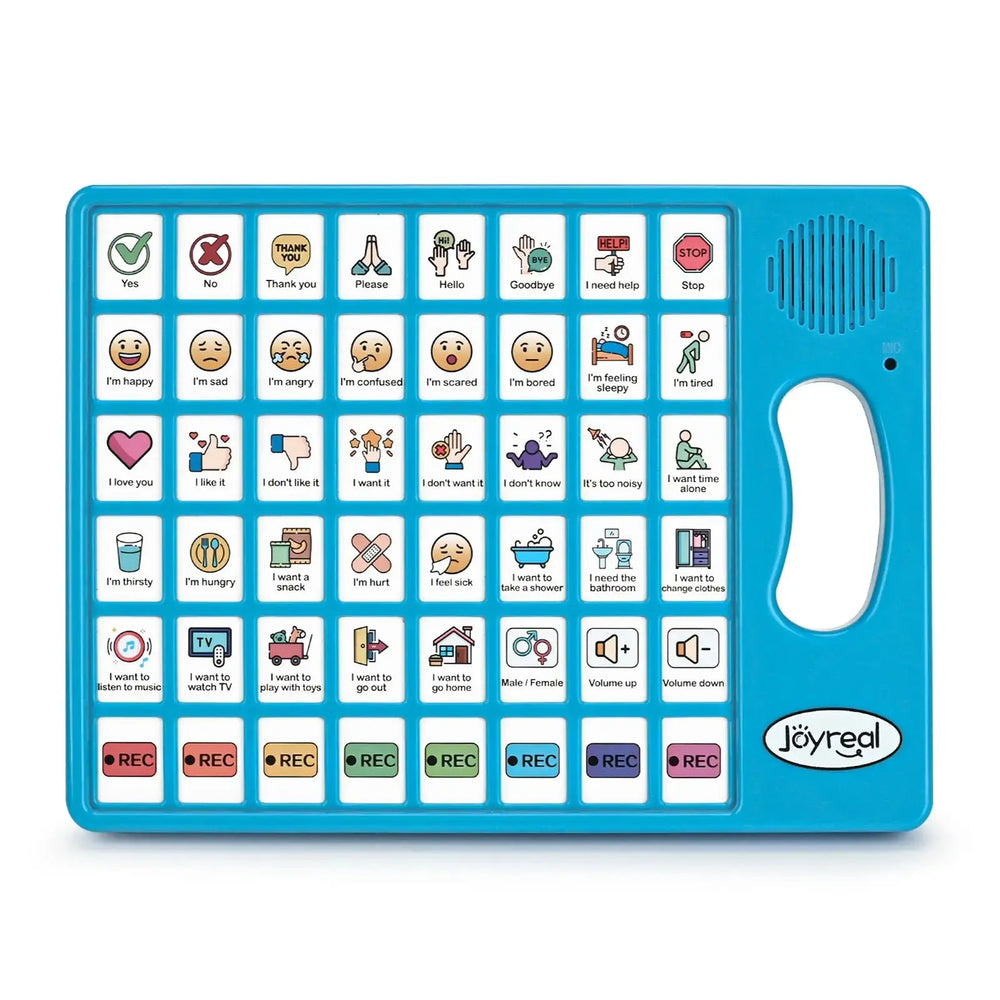
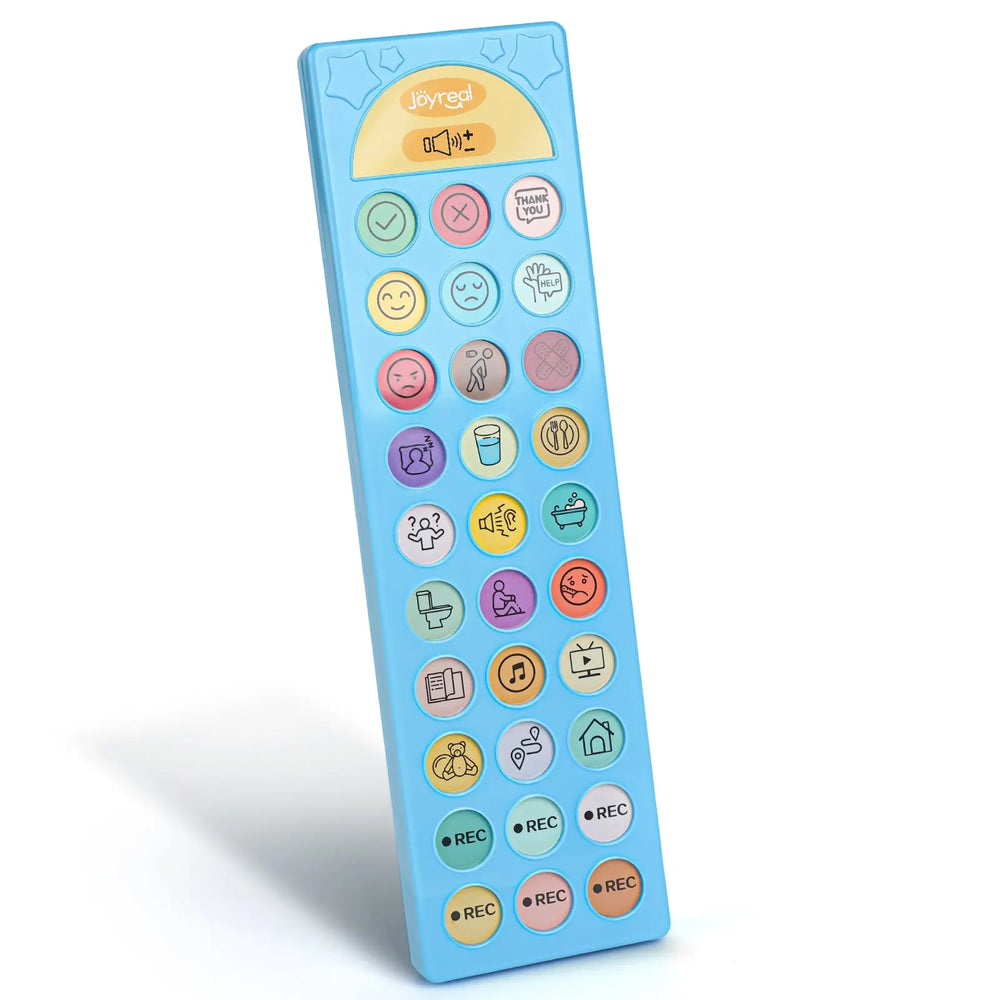
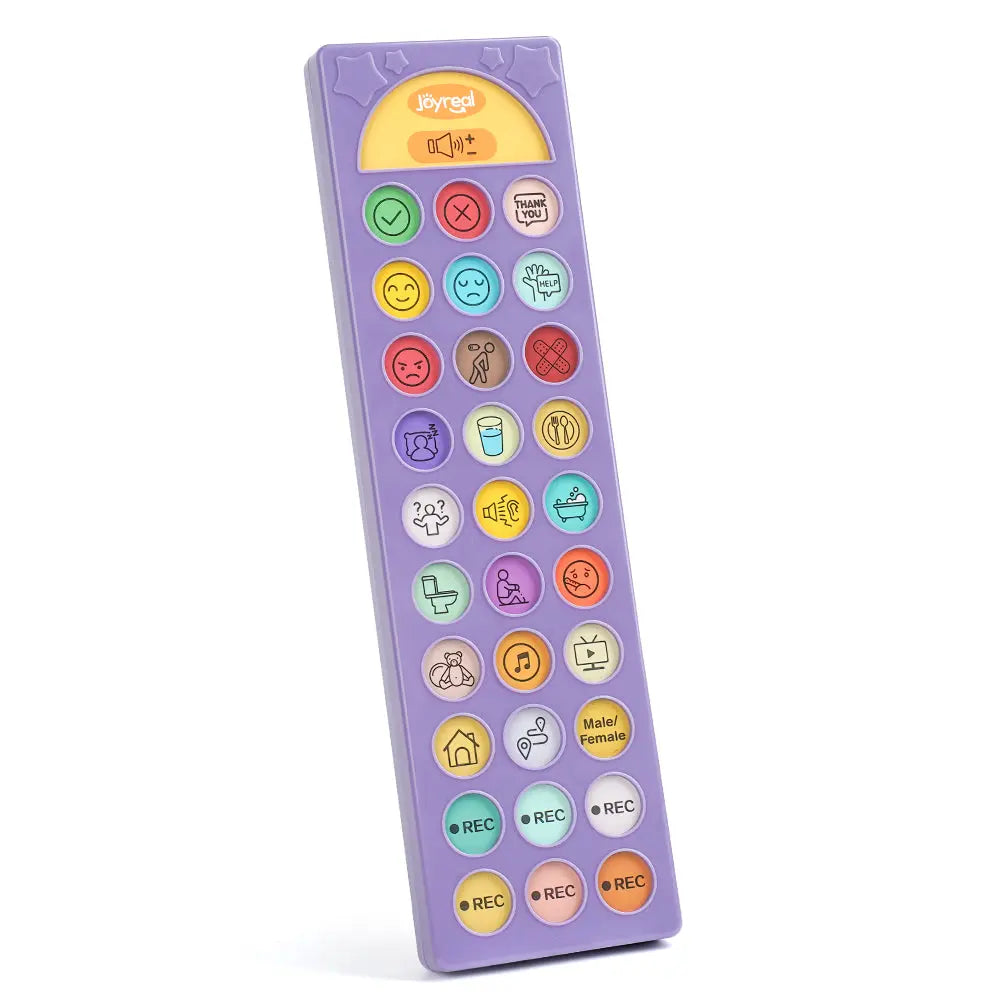
- Assistive devices like Joyreal Talking Aid
Communication is not limited to speech. Providing options like AAC devices for autism can open new avenues for expression, helping individuals communicate effectively.
3. Use Clear and Simple Language
Autistic individuals may have difficulty understanding abstract language or idioms.
To communicate effectively:
- Use direct and literal language
- Keep sentences short and to the point
- Avoid figurative language and complex expressions
For example, rather than saying "Hold on a second," you could say "Please wait here."
4. Respect Eye Contact Differences
For some, making eye contact can feel uncomfortable or overwhelming.
It is important to remember:
- Not making eye contact does not mean someone isn’t listening or engaged.
The key is to focus on understanding, not social norms. Respect their communication style.
5. Be Mindful of Sensory Sensitivities
Many individuals with autism are hypersensitive to sensory stimuli such as:
- Bright lights
- Loud noises
- Crowded spaces
When communicating:
- Choose a calm, quiet setting with fewer distractions
- Reduce sensory overload where possible
A comfortable environment enhances communication, and many assistive devices, like Joyreal AAC devices for autism, can be used in various settings, making them adaptable to different needs.
6. Avoid Assumptions
Autism is a spectrum — every individual is unique.
To communicate more effectively:
- Don’t assume their abilities or understanding
- Allow them to express themselves in their own way
Approach each conversation with respect and an open mind. Supportive tools like AAC devices for autism can make communication smoother, especially in moments when more support is needed.
7. Support Communication Tools When Needed
For some individuals, communication tools can make a world of difference.
The Joyreal Talking Aid and other AAC devices for autism can:
- Help individuals with autism express their needs, emotions, and thoughts
- Minimize frustration by giving them a reliable way to communicate
- Boost confidence in social situations
Tools like Joyreal AAC devices for autism are excellent for anyone who may need extra support in their communication journey, creating opportunities for real connection.
Joyreal AAC Devices: Supporting World Autism Awareness Day

At Joyreal, we believe that everyone, regardless of how they communicate, deserves to be heard, understood, and included. On this World Autism Awareness Day, we stand alongside families, educators, and advocates around the world to raise awareness and foster inclusion for individuals with autism.
Autism is not something that needs to be “fixed.” It is a different way of experiencing the world. For many individuals on the autism spectrum, communication can be a significant challenge. That’s where Joyreal AAC devices come in. Designed with ease of use for parents and children in mind, our AAC devices help children:
- Express their needs without frustration
- Feel understood before verbal speech develops
On World Autism Awareness Day, we proudly highlight how tools like the Joyreal AAC device for autism can help children communicate their needs, reducing frustration and building confidence, all while enhancing social interactions.
Joyreal is committed to making communication accessible, empowering families, and supporting the world in embracing autism with greater understanding and compassion.
💙 How You Can Make a Difference on World Autism Awareness Day 2026
This World Autism Awareness Day, your actions can create lasting change:
- Wear blue 💙 to show your support
- Share valuable information and raise awareness
- Practice patience and understanding in every interaction
- Support inclusive communities and initiatives
Meaningful change starts with simple, compassionate actions.
💙 Final Thoughts
In 2026, World Autism Awareness Day is more than a date —
it’s a global reminder that every individual deserves to be understood, supported, and heard.
Because inclusion starts with awareness — and grows through empathy.

Popular Guides for Parents
- DIY Busy Board: A Guide to Making Your Own
- Montessori Wooden Toys: Choose Baby Walking Toys to Boost Early Skills
- Montessori Busy Boards by Age: Safe, Skill-Building Toys for 10 Months to 4 Years
- How Do Different Colors Affect Sensory Overload in Autistic Children?
- Noah’s Ark Toy: Building Skills Through Play
- Best Busy Boards for 1 Year Old: A Parent’s Guide to Sensory Play
Recent Post

Wooden Musical Toys vs Electronic Music Toys: Which Is Better for Open-Ended Play?
For parents who want a calmer play environment, the choice between...

10 Simple Parent-Child Music Games Using a Toddler Drum Set
A toddler drum set can become much more than a noisy toy. With a fe...

Noah’s Ark Activities for Sunday School and Preschool
A Noah’s Ark toy can turn a familiar Bible story into a hands-on ac...

Noah’s Ark Toy Gift Guide: What Should Parents Check Before Buying?
A noah’s ark toy can be a thoughtful birthday, baptism, Christmas, ...

Can a Noah’s Ark Toy Be Used for Science and Nature Play?
Yes. A noah’s ark toy can be used as a starting point for simple sc...

How Can AAC Help a Child Communicate Pain, Illness, or Discomfort?
A child who cannot reliably use speech may still notice pain, illne...

How to Model AAC During Play Without Pressuring Your Child
For many children, play is one of the most comfortable places to pr...

How Can Parents Help a Child Use AAC at School and Home?
How Can Parents Help a Child Use AAC at School and Home? Children w...

AAC for Siblings and Playdates: Helping Children Join Social Play
Children do not need to use speech to take part in sibling play or ...

How to Teach Independent Play With a Busy Board Without Overhelping
Independent play does not usually begin with a parent stepping away...