


Best AAC Devices for Nonverbal Autism
Best AAC Devices for Nonverbal Autism: Focus on Joyreal AAC
When it comes to supporting nonverbal children with autism, finding affordable and effective communication tools is essential. Augmentative and Alternative Communication (AAC) devices play a critical role in helping children express themselves, reduce frustration, and engage with others. Among the many AAC options available, Joyreal AAC Talking Aid stands out as a cost-effective, user-friendly solution for children with autism. This blog post explores why Joyreal AAC is a great choice for families and educators seeking a reliable, budget-friendly communication device for nonverbal children.

1. What Is Joyreal AAC Talking Aid?
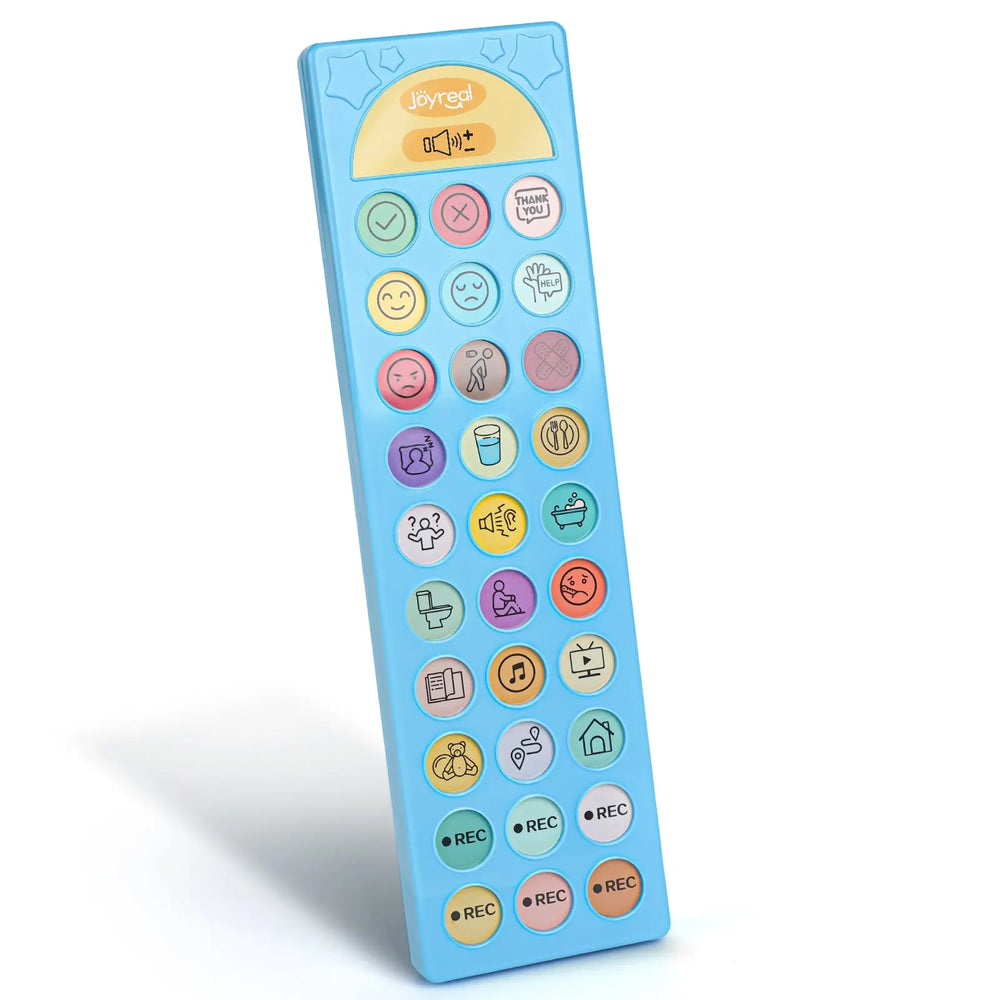
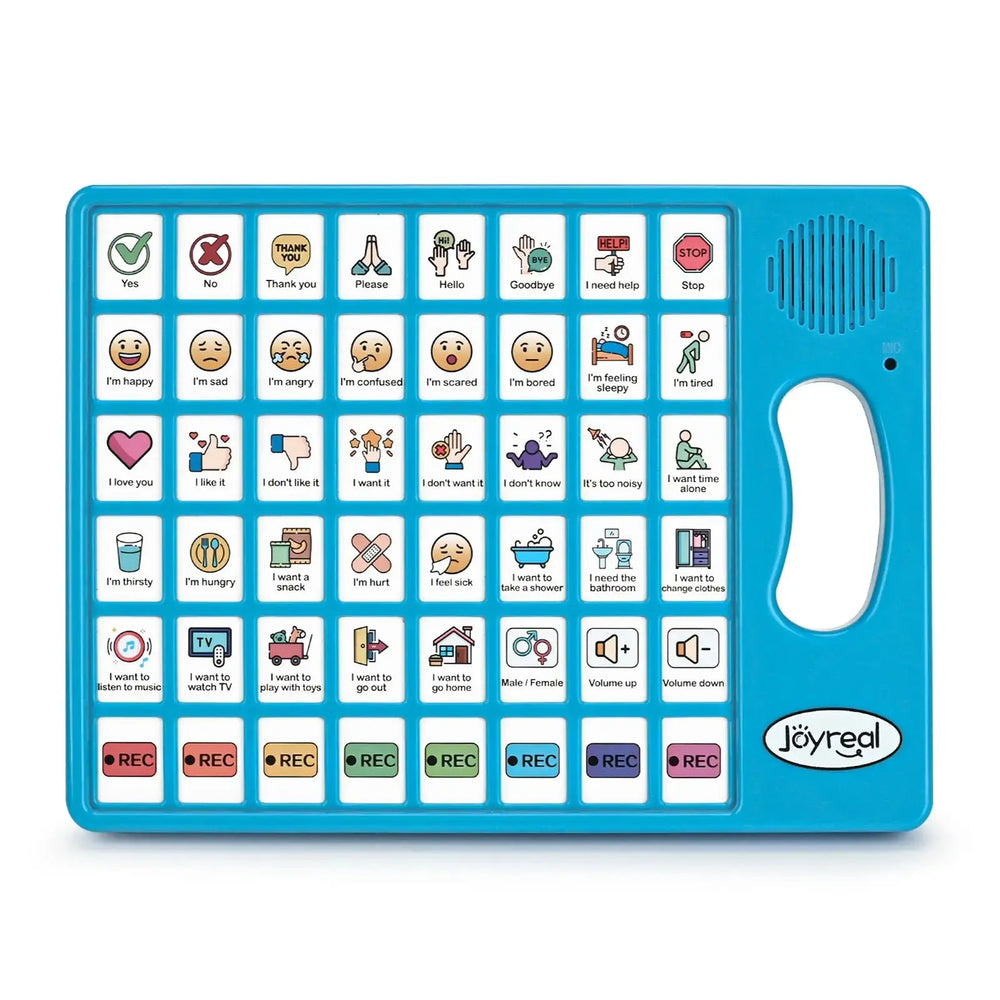
Joyreal AAC is an affordable, easy-to-use talking aid designed specifically for children with autism and other speech delays. This device allows children to communicate by pressing buttons that play pre-recorded phrases or sounds, helping them express their basic needs, emotions, and desires. With its colorful, tactile buttons, Joyreal AAC is perfect for early intervention and can serve as a bridge to more complex communication skills as the child develops.
Key Features of Joyreal AAC Talking Aid:
- Simple Button Interface: Large, colorful buttons that are easy to press for children with fine motor challenges.
- Pre-recorded Phrases: Includes common phrases like "I’m hungry," "I want help," and "I need to go to the bathroom."
- Customizable: Parents and caregivers can record personalized messages to reflect the child’s unique needs and preferences.
- Portable and Lightweight: The compact design makes it easy for children to carry and use at home, school, or on the go.
- Affordable: Compared to other speech-generating devices, Joyreal AAC is an economical solution for families on a budget.

2. Why Choose Joyreal Communication Device for Nonverbal Autism?
Nonverbal autism can make it challenging for children to communicate, leading to frustration and behavioral issues. Joyreal Communication Device offers a solution that is both affordable and effective, giving children the opportunity to express themselves in a meaningful way.
Why It's Great:
- Reduces Frustration: By enabling children to communicate their needs more effectively, Joyreal AAC helps reduce the frustration that can lead to meltdowns and challenging behaviors.
- Encourages Independence: Children can independently express their needs without relying on others to interpret their behaviors or emotions.
- Supports Social Interaction: With the ability to communicate more effectively, children are better able to engage with peers, teachers, and family members, fostering social development.
- Improves Confidence: As children gain the ability to communicate, they become more confident in expressing themselves, which can positively impact their overall development.

3. How Does Joyreal AAC Device Compare to Other Devices?
While there are many AAC devices available for children with autism, Joyreal AAC offers several advantages that make it a standout option for families seeking affordability without sacrificing quality.
- Affordability: Traditional AAC devices, such as the Tobii Dynavox or devices from companies like PRC, can be prohibitively expensive for many families. Joyreal AAC provides a much more affordable alternative without compromising on functionality.
- Ease of Use: Joyreal AAC is simple to use, even for children who may not have experience with technology. The intuitive button interface and clear speech output make it ideal for nonverbal children.
- Customization: Unlike some devices that come with a fixed set of phrases, Joyreal AAC allows for personalized recordings. This feature ensures that the device meets the specific needs of each child.

4. Practical Applications of Joyreal AAC
Joyreal AAC is versatile and can be used in a variety of settings to support communication. Here are some examples of how it can be applied:
- At Home: Children can use the device to express basic needs, such as asking for food, water, or attention. This can significantly reduce communication barriers between parents and children.
- In School: Teachers can use Joyreal AAC to encourage classroom participation and facilitate communication during lessons, group activities, and social interactions.
- In Therapy Sessions: Speech therapists can incorporate Joyreal AAC into their treatment plans, using it as a tool to encourage speech development and language acquisition.
Many families and educators have seen positive results from using Joyreal AAC with children on the autism spectrum. Here are a few success stories:
- Case Study 1: A 4-year-old child with autism was frustrated because he couldn't express his wants or needs. After using Joyreal AAC, he was able to communicate simple phrases like "I want snack" and "help me," significantly reducing his meltdowns.
- Case Study 2: A nonverbal child in a special education classroom started using Joyreal AAC to communicate during group activities. The child’s engagement with peers increased, and teachers observed improved social interactions.

Conclusion: Empowering Children with Communication Tools
Finding the right AAC device for children with autism is crucial for fostering communication skills and improving their quality of life. Joyreal AAC stands out as an affordable, easy-to-use option that helps nonverbal children express their needs and emotions, reduces frustration, and builds confidence.
With its simple design, customizable features, and affordability, Joyreal AAC is an excellent choice for parents and educators looking to support early communication development in children with autism.



Popular Guides for Parents
- DIY Busy Board: A Guide to Making Your Own
- Montessori Wooden Toys: Choose Baby Walking Toys to Boost Early Skills
- Montessori Busy Boards by Age: Safe, Skill-Building Toys for 10 Months to 4 Years
- How Do Different Colors Affect Sensory Overload in Autistic Children?
- Noah’s Ark Toy: Building Skills Through Play
- Best Busy Boards for 1 Year Old: A Parent’s Guide to Sensory Play
Recent Post

Wooden Musical Toys vs Electronic Music Toys: Which Is Better for Open-Ended Play?
For parents who want a calmer play environment, the choice between...

10 Simple Parent-Child Music Games Using a Toddler Drum Set
A toddler drum set can become much more than a noisy toy. With a fe...

Noah’s Ark Activities for Sunday School and Preschool
A Noah’s Ark toy can turn a familiar Bible story into a hands-on ac...

Noah’s Ark Toy Gift Guide: What Should Parents Check Before Buying?
A noah’s ark toy can be a thoughtful birthday, baptism, Christmas, ...

Can a Noah’s Ark Toy Be Used for Science and Nature Play?
Yes. A noah’s ark toy can be used as a starting point for simple sc...

How Can AAC Help a Child Communicate Pain, Illness, or Discomfort?
A child who cannot reliably use speech may still notice pain, illne...

How to Model AAC During Play Without Pressuring Your Child
For many children, play is one of the most comfortable places to pr...

How Can Parents Help a Child Use AAC at School and Home?
How Can Parents Help a Child Use AAC at School and Home? Children w...

AAC for Siblings and Playdates: Helping Children Join Social Play
Children do not need to use speech to take part in sibling play or ...

How to Teach Independent Play With a Busy Board Without Overhelping
Independent play does not usually begin with a parent stepping away...